n,n,n’,n’-tetramethyl-1,3-butanediamine n,n,n’,n’-tetramethyl-1,3-butanediamine

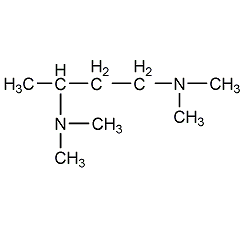
N,N,N',N'-tetramethyl-1,3-butanediamine structural formula

n,n,n',n'-tetramethyl-1,3-butanediamine structural formula

structural formula

business number 02cr
molecular formula c8h20n2
molecular weight 144.26
label

n,n,n’,n’-tetramethyl-1,3-diaminobutane,

(ch3)2nch(ch3)ch2ch2n(ch3)2,

1,3-bis(dimethylamino)butane,

1,3-diaminobutane,n,n,n’,n’-tetramethyl-,

n,n,n(sup1),n(sup1)-tetramethyl-1,3-diaminobutane,

n,n,n’,n”-tetramethylbutane-1,3-diamine,

n,n,n’,n’-tetramethylbutane-1,3-diamine,

n,n,n’,n’-tetramethyl-3-butanediamine

numbering system

cas number:97-84-7

mdl number:mfcd00025678

einecs number:202-610-4

rtecs number:ej7525000

brn number:1698054

pubchem number:24848551

physical property data

1. properties: colorless liquid.

2. density (g/ml, 25℃): 0.787

3. relative vapor density (g/ml, air=1): 5

4. melting point (ºc): undetermined

5. boiling point (ºc, normal pressure): 165

6. boiling point (ºc, kpa): undetermined

7. refractive index: 1.431

8. flash point (ºc): 41

9. specific rotation (º): undetermined

10 . autoignition point or ignition temperature (ºc): not determined

11. vapor pressure (mmhg, 20ºc): 1.64

12. saturated vapor pressure (kpa, ºc): not determined determined

13. heat of combustion (kj/mol): undetermined

14. critical temperature (ºc): undetermined

15. critical pressure (kpa ): undetermined

16. log value of oil-water (octanol/water) partition coefficient: undetermined

17. explosion upper limit (%, v/v): 7.8

p>

18. lower explosion limit (%, v/v): 0.8

19. solubility: undetermined

toxicological data

1. skin/eye irritation: start irritation test: rabbit skin contact, 1mgreaction severity, moderate reaction; standard dresser test: rabbit eye contact, 5mgreaction severity, moderate reaction; 2. acute toxicity: rat oral ld50: 750mg /kg; rat inhalation lc50: 360ppm/4h; mouse intravenous injection ld50: 180mg/kg;   ​ ​ rabbit skin contact ld50: 320mg/kg; 3. other multiple dose toxicity: rat inhalation tclo: 50700ppb/6h/11d-i;

ecological data

this substance is slightly hazardous to water.

molecular structure data

1. molar refractive index: 46.51

2. molar volume (cm3/mol): 175.4

3. isotonic specific volume (90.2k ): 399.1

4. surface tension (dyne/cm): 26.7

5. polarizability (10-24cm3): 18.43

compute chemical data

1. reference value for hydrophobic parameter calculation (xlogp): 1.1

2. number of hydrogen bond donors: 0

3. number of hydrogen bond acceptors: 2

4. number of rotatable chemical bonds: 4

5. number of tautomers: none

6. topological molecule polar surface area 6.5

7. number of heavy atoms: 10

8. surface charge: 0

9. complexity: 79.3

10. number of isotope atoms: 0

11. determine the number of atomic stereocenters: 0

12. uncertain number of atomic stereocenters: 1

13. determine the number of chemical bond stereocenters: 0

14. number of uncertain chemical bond stereocenters: 0

15. number of covalent bond units: 1

properties and stability

avoid contact with strong oxidizing agents.

storage method

store in a cool, ventilated warehouse. keep away from fire, heat sources and anti-static. protect from direct sunlight. the packaging is sealed. should be kept away from oxidizer, do not store together. equipped with the appropriate variety and quantity of fire equipment. suitable materials should be available in the storage area to contain spills.

synthesis method

none

purpose

none

n,n’-diphenyl-p-phenylenediamine n,n’-diphenyl-p-phenylenediamine

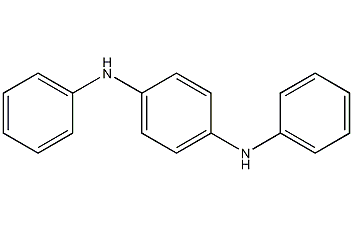
n,n'-diphenyl-p-phenylenediamine structural formula

structural formula

business number 01hg
molecular formula c18h16n2
molecular weight 260.33
label

anti-aging agent ppd,

diphenyltetraphenyldiamine,

1,4-diphenylaminobenzene,

antioxidant ppd,

2-phenyl-4-phenyl-diamine,

1,4 – diphenyl benzene,

universal antioxidant

numbering system

cas number:74-31-7

mdl number:mfcd00003015

einecs number:200-806-4

rtecs number:st2275000

brn number:2215944

pubchem number:24867020

physical property data

1. properties: gray powder or flakes. is flammable. the color becomes darker in the air and under light

2. density (g/ml, 25/4℃): 1.22~1.31

3. relative vapor density (g/ml, air=1): uncertain

4. melting point (ºc): 152

5. boiling point ( ºc, normal pressure): 282

6. boiling point (ºc, 0.5mmhg): 220-225

7. refractive index: uncertain

8. flash point (ºc, 1mmhg): 220-225

9. specific rotation (º): uncertain

10. autoignition point or ignition temperature (ºc): uncertain

11. vapor pressure (kpa, 25 ºc): uncertain

12. saturated vapor pressure (kpa, 60 ºc): uncertain

13. heat of combustion (kj/mol): uncertain

14. critical temperature (ºc): uncertain

15. critical pressure (kpa): uncertain

16. log value of oil-water (octanol/water) partition coefficient: uncertain

17. explosion upper limit (%, v/v): uncertain

18. explosion lower limit (%, v/v): uncertain

19. solubility: soluble in benzene and ethanol, insoluble in gasoline and water (<0.1 g/100 ml at 20 ºc)

toxicological data

acute toxicity: rat oral ld50: 2370 mg/kg; mouse oral ld50: 18 mg/kg; mouse intraperitoneal ld50: 300 mg/kg; tumorigenicity: mouse subcutaneous injection tdlo: 1000 mg/kg; breeding : rat oral tdlo: 450 mg/kgsex/duration: female 14 day(s) pre-mating female 1-22 day(s) after conception; rat oral tdlo: 2500 mg/kgsex/duration: female 1- 22 day(s) after conception; mouse oral tdlo: 4176 mg/kgsex/duration: female 6-14 day(s) after conception; mutagenicity: sandmicrobial test system for mammalian gene mutation: 10 ug/plate; hamster lung cytogenetic analysis test system: 1800 ug/l; hamster lung mutation in mammalian somatic cellstest system: 30 mg/l;

ecological data

none yet

molecular structure data

5. molecular property data:

1. molar refractive index: 85.00

2. molar volume (cm3/mol): 221.5

3. isotonic specific volume (90.2k): 593.9

4. surface tension (dyne/cm): 51.6

5. polarizability (10-24cm3): 33.69

calculate chemical data

1. reference value for hydrophobic parameter calculation (xlogp): none

2. number of hydrogen bond donors: 2

3. number of hydrogen bond acceptors: 2

4. number of rotatable chemical bonds: 4

5. number of tautomers: none

6. topological molecule polar surface area 24.1

7. number of heavy atoms: 20

8. surface charge: 0

9. complexity: 231

10. number of isotope atoms: 0

11. determine the number of atomic stereocenters: 0

12. uncertain number of atomic stereocenters: 0

13. determine the number of chemical bond stereocenters: 0

14. number of uncertain chemical bond stereocenters: 0

15. number of covalent bond units: 1

properties and stability

none yet

storage method

stored in a cool, dry warehouse, protected from fire, moisture and sun.

synthesis method

hydroquinone and aniline react under the catalysis of triethyl phosphate for a certain period of time at 280~300℃ and a pressure of 0.7mpa. after the reaction, vacuum distillation was performed. excess aniline is removed first under low vacuum, and then the intermediate is evaporated under higher vacuum. the remaining materials after steaming the intermediate are sliced, powdered, and packaged to become the finished product. the synthesis reaction is as follows

purpose

is a general-purpose antioxidant. it has excellent resistance to flexural cracking and has excellent protection against heat, oxygen, ozone, and photoaging, especially copper and manganese damage. it is polluting and will discolor the rubber. it is not suitable for light-colored and bright-colored products. it is often used in the manufacture of various tires and dark-colored products. because of its low solubility in rubber, it is easy to bloom. mainly used as rubber antioxidant, suitable for natural rubber, styrene-butadiene rubber, and butadiene rubber. the reference dosage is 0.2 to 0.3 parts by mass.

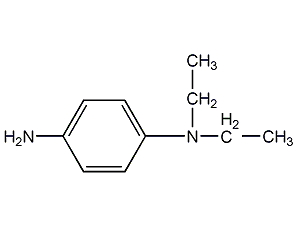
n,n-diethyl-p-phenylenediamine n,n-diethyl-p-phenylenediamine

N,N-diethyl-p-phenylenediamine structural formula

n,n-diethyl-p-phenylenediamine structural formula

structural formula

business number 025p
molecular formula c10h16n2
molecular weight 164.25
label

4-diethylaminoaniline,

p-amino-n,n-diethylaniline,

diethyl p-phenylenediamine,

n,n-diethyl-1,4-phenylenediamine,

p-amino-n,n-diethylaniline,

diethyl-n,n-p-phenylenediamine,

4-(diethylamino)aniline,

4-diethylaminoaniline,

n,n-diethyl-p-phenylendiamine,

dpd,

4-(diethylamino)aniline,

p-amino-n,n-diethylaniline,

n,n-diethyl-1,4-phenylenediamine,

developer

numbering system

cas number:93-05-0

mdl number:mfcd00007861

einecs number:202-214-1

rtecs number:ss9275000

brn number:879361

pubchem number:24855816

physical property data

1. properties: light yellow liquid, changes color when exposed to light or air.

2. density (g/ml, 25/4℃): 0.988

3. relative vapor density (g/ml, air=1): undetermined

4. melting point (ºc): 23

5. boiling point (ºc, normal pressure): 260-262

6. boiling point (ºc, 5.2kpa): undetermined

7. refractive index: 1.571

8. flash point (ºc): 139

9. specific rotation (º): undetermined

10. autoignition point or ignition temperature (ºc): undetermined

11. vapor pressure (kpa, 25ºc): undetermined

12. saturated vapor pressure ( kpa, 60ºc): undetermined

13. heat of combustion (kj/mol): undetermined

14. critical temperature (ºc): undetermined

15. critical pressure (kpa): undetermined

16. log value of oil-water (octanol/water) partition coefficient: undetermined

17. explosion upper limit (%, v/ v): undetermined

18. lower explosion limit (%, v/v): undetermined

19. solubility: can be mixed with alcohol and ether, insoluble in water.

toxicological data

none

ecological data

none

molecular structure data

1. molar refractive index: 54.06

2. molar volume (cm3/mol): 162.7

3. isotonic specific volume (90.2k ): 414.7

4. surface tension (dyne/cm): 42.1

5. polarizability (10-24cm3): 21.43

compute chemical data

1. reference value for hydrophobic parameter calculation (xlogp): none

2. number of hydrogen bond donors: 1

3. number of hydrogen bond acceptors: 2

4. number of rotatable chemical bonds: 3

5. number of tautomers: none

6. topological molecule polar surface area 29.3

7. number of heavy atoms: 12

8. surface charge: 0

9. complexity: 113

10. number of isotope atoms: 0

11. determine the number of atomic stereocenters: 0

12. uncertain number of atomic stereocenters: 0

13. determine the number of chemical bond stereocenters: 0

14. number of uncertain chemical bond stereocenters: 0

15. number of covalent bond units: 1

properties and stability

this product is toxic and may cause obvious allergic reactions on skin contact.

storage method

1. this product is toxic. toxic chemicals such as diethylaniline and sodium nitrite are used in the production process. therefore, the equipment must be sealed and production personnel must wear protective gear when operating. reactive materials should be prevented from direct contact with skin or inhalation of dust.

2. packed in an iron drum lined with plastic bags and stored in a cool, dry place away from light. store and transport according to regulations on toxic chemicals.

synthesis method

using n,n-diethylaniline as raw material, it is obtained through nitrosation, reduction and neutralization: the process is as follows: (1) nitrosation: add 150kg water, 35kg n,n-diethylaniline and 72kg to the kettle hydrochloric acid, cool to 0°c. at 0-5°c, add 50% sodium nitrite solution (prepared to 100% 18.5kg). after adding, stir for half an hour and add 6kg of salt. stir for 2h. filter to obtain p-nitroso-n,n-diethylaniline. (2) reduction and neutralization add 150kg water and 11kg hydrochloric acid to the kettle. stir, add 41kg iron powder, cool to 15°c, and add nitrite at 20-25°c. after the addition is completed, add 5kg of iron powder and stir for 3 hours at 20-25°c. add 7kg of sodium carbonate, stir for 15 minutes, and filter. the filter cake is washed with hot water. add 50kg liquid alkali (30%) and 15kg salt to the filtrate and washing liquid, and let stand for layering. the upper material distillation kettle is distilled under reduced pressure at 120-150°c and a vacuum of 8kpa to collect the fractions to obtain p-amino-n,n-diethylaniline.

purpose

dye intermediates. its hydrochloride and sulfate can be used as color photographic developers.

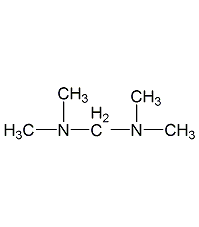
n,n,n’,n’-tetramethyldiaminomethane n,n,n’,n’-tetramethyldiaminomethane

N,N,N',N'-tetramethyldiaminomethane structural formula

n,n,n',n'-tetramethyldiaminomethane structural formula

structural formula

business number 0159
molecular formula c5h14n2
molecular weight 102.18
label

tetramethylmethanediamine,

bis(dimethylamino)methane,

n,n,n’,n’-tetramethyldiaminomethane

numbering system

cas number:51-80-9

mdl number:mfcd00008328

einecs number:200-124-7

rtecs number:pa6700000

brn number:1731946

pubchem number:24848864

physical property data

none

toxicological data

1. acute toxicity: mouse abdominal ld50: 220mg/kg; quail oral ld50: >316mg/kg

ecological data

none

molecular structure data

1. molar refractive index: 32.65

2. molar volume (cm3/mol): 125.5

3. isotonic specific volume (90.2k ): 282.4

4. surface tension (dyne/cm): 25.5

5. polarizability (10-24cm3): 12.94

compute chemical data

1. reference value for hydrophobic parameter calculation (xlogp): 0.4

2. number of hydrogen bond donors: 0

3. number of hydrogen bond acceptors: 2

4. number of rotatable chemical bonds: 2

5. number of tautomers: none

6. topological molecule polar surface area 6.5

7. number of heavy atoms: 7

8. surface charge: 0

9. complexity: 35.3

10. number of isotope atoms: 0

11. determine the number of atomic stereocenters: 0

12. uncertain number of atomic stereocenters: 0

13. determine the number of chemical bond stereocenters: 0

14. number of uncertain chemical bond stereocenters: 0

15. number of covalent bond units: 1

properties and stability

none

storage method

none

synthesis method

none

purpose

none

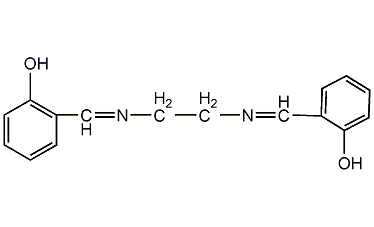
n,n’-bis(salicylidene)ethylenediamine n,n’-bis(salicylidene)ethylenediamine

N,N'-bis(salicylidene)ethylenediamine structural formula

n,n'-bis(salicylidene)ethylenediamine structural formula

structural formula

business number 028d
molecular formula c16h16n2o2
molecular weight 268.31
label

n,n’-disalicylicaldehyde ethylenediamine,

n,n’-bis(2-hydroxybenzylidene)ethylenediamine,

n,n’-disalicylalethylenediamine

numbering system

cas number:94-93-9

mdl number:mfcd00002244

einecs number:202-376-3

rtecs number:sl3780000

brn number:535296

pubchem number:24854136

physical property data

1. appearance: yellow crystal or powder

2. density (g/ml, 20℃): undetermined

3. relative vapor density (g/ml, air =1): undetermined

4. melting point (ºc): 127-128

5. boiling point (ºc, normal pressure): undetermined

6 . boiling point (ºc, mmhg): not determined

7. refractive index: not determined

8. flash point (ºc): not determined

9. specific rotation (º): undetermined

10. autoignition point or ignition temperature (ºc): undetermined

11. vapor pressure (mmhg,ºc): undetermined

12. saturated vapor pressure (kpa, ºc): undetermined

13. heat of combustion (kj/mol): undetermined

14. critical temperature ( ºc): undetermined

15. critical pressure (kpa): undetermined

16. log value of oil-water (octanol/water) partition coefficient: undetermined

17. explosion upper limit (%, v/v): undetermined

18. explosion lower limit (%, v/v): undetermined

19. solubility: soluble in benzene, ethanol and ether, insoluble in water.

toxicological data

1. acute toxicity: oral ldlo in rats: 500mg/kg; intraperitoneal ld50 in mice: 100mg/kg;

ecological data

slightly harmful to water.

molecular structure data

1. molar refractive index: 78.99

2. molar volume (cm3/mol): 237.1

3. isotonic specific volume (90.2k ): 613.3

4. surface tension (dyne/cm): 44.7

5. polarizability (10-24cm3): 31.31

compute chemical data

1. hydrophobic parameter calculation reference value (xlogp): 3.5

2. number of hydrogen bond donors: 2

3. number of hydrogen bond acceptors: 4

4. number of rotatable chemical bonds: 5

5. number of tautomers: 6

6. topological molecular polar surface area (tpsa): 58.2

7. number of heavy atoms: 20

8. surface charge: 0

9. complexity: 523

10. number of isotope atoms: 0

11. determine the number of atomic stereocenters: 0

12. the number of uncertain atomic stereocenters: 0

13. the number of determined chemical bond stereocenters: 2

14. the number of uncertain chemical bond stereocenters: 0

15. number of covalent bond units: 1

properties and stability

avoid contact with oxides.

storage method

store sealed in a cool, dry place. make sure the workspace has good ventilation. keep away from sources of fire and store away from oxidizing agents.

synthesis method

none

purpose

fluorometric determination of magnesium. inhibitors of metal ions.

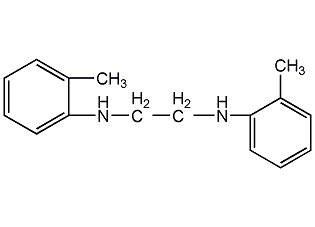
n,n’-di(o-tolyl)ethylenediamine n,n’-di(o-tolyl)ethylenediamine

N,N'-di(o-tolyl)ethylenediamine structural formula

n,n'-di(o-tolyl)ethylenediamine structural formula

structural formula

business number 028c
molecular formula c16h20n2
molecular weight 240.34
label

n,n’-ethylenedi-o-toluidine,

n,n’-di-o-tolylethylenediamine

numbering system

cas number:94-92-8

mdl number:mfcd00048073

einecs number:202-375-8

rtecs number:none

brn number:none

pubchem id:none

physical property data

1. properties: powder

2. density (g/ml, 20℃): undetermined

3. relative vapor density (g/ml, air=1) : undetermined

4. melting point (ºc): 70-73

5. boiling point (ºc, normal pressure): undetermined

6. boiling point ( ºc, mmhg): not determined

7. refractive index: not determined

8. flash point (ºc): not determined

9. specific rotation (º): undetermined

10. autoignition point or ignition temperature (ºc): undetermined

11. vapor pressure (mmhg,ºc): undetermined

12. saturated vapor pressure (kpa, ºc): undetermined

13. heat of combustion (kj/mol): undetermined

14. critical temperature (ºc): undetermined

15. critical pressure (kpa): undetermined

16. log value of oil-water (octanol/water) partition coefficient: undetermined

17. explosion upper limit (%, v/v): undetermined

18. explosion lower limit (%, v/v): undetermined

19. solubility: undetermined

toxicological data

none

ecological data

slightly harmful to water.

molecular structure data

1. molar refractive index: 79.32

2. molar volume (cm3/mol): 221.7

3. isotonic specific volume (90.2k ): 575.4

4. surface tension (dyne/cm): 45.3

5. polarizability (10-24cm3): 31.44

compute chemical data

1. reference value for hydrophobic parameter calculation (xlogp): 4.3

2. number of hydrogen bond donors: 2

3. number of hydrogen bond acceptors: 2

4. number of rotatable chemical bonds: 5

5. number of tautomers: none

6. topological molecule polar surface area 24.1

7. number of heavy atoms: 18

8. surface charge: 0

9. complexity: 205

10. number of isotope atoms: 0

11. determine the number of atomic stereocenters: 0

12. uncertain number of atomic stereocenters: 0

13. determine the number of chemical bond stereocenters: 0

14. number of uncertain chemical bond stereocenters: 0

15. number of covalent bond units: 1

properties and stability

avoid contact with oxides.

storagelaw

stored sealed in a cool, dry place. make sure the workspace has good ventilation. keep away from sources of fire and store away from oxidizing agents.

synthesis method

none

purpose

none

n,n’-bis(salicylidene)-1,2-propanediamine n,n’-bis(salicylidene)-1,2-propanediamine

structural formula

business number 028b
molecular formula c17h18n2o2
molecular weight 282.34
label

n,n’-disalicylic aldehyde acetyl-1,2-propanediamine,

n,n’-bisalicylin-1,2-propanediamine,

n,n’-bis(o-hydroxybenzylidene)-1,2-diaminopropane

numbering system

cas number:94-91-7

mdl number:none

einecs number:none

rtecs number:none

brn number:none

pubchem id:none

physical property data

1. properties: yellow oily liquid.

2. density (g/ml, 20℃): undetermined

3. relative vapor density (g/ml, air=1): undetermined

4. melting point (ºc): 48

5. boiling point (ºc, normal pressure): undetermined

6. boiling point (ºc, mmhg): undetermined

7. refractive index: undetermined

8. flash point (ºc): undetermined

9. specific rotation (º): undetermined

10. autoignition point or ignition temperature (ºc): undetermined

11. vapor pressure (mmhg, ºc): undetermined

12. saturated vapor pressure (kpa , ºc): undetermined

13. heat of combustion (kj/mol): undetermined

14. critical temperature (ºc): undetermined

15 . critical pressure (kpa): undetermined

16. log value of oil-water (octanol/water) distribution coefficient: undetermined

17. explosion upper limit (%, v/v ): undetermined

18. lower explosion limit (%, v/v): undetermined

19. solubility: miscible with ethanol and benzene, soluble in toluene and diamine toluene and gasoline are insoluble in water.

toxicological data

1. acute toxicity: rat oral ld50: 4560mg/kg;

ecological data

none

molecular structure data

1. molar refractive index: 83.42

2. molar volume (cm3/mol): 252.3

3. isotonic specific volume (90.2k ): 644.4

4. surface tension (dyne/cm): 42.5

5. polarizability (10-24cm3): 33.07

compute chemical data

1. hydrophobic parameter calculation reference value (xlogp): 3.9

2. number of hydrogen bond donors: 2

3. number of hydrogen bond acceptors: 4

4. number of rotatable chemical bonds: 5

5. number of tautomers: 9

6. topological molecular polar surface area (tpsa): 58.2

p>

7. number of heavy atoms: 21

8. surface charge: 0

9. complexity: 604

10. number of isotope atoms : 0

11. the number of determined atomic stereocenters: 0

12. the number of uncertain atomic stereocenters: 1

13. determinednumber of stereocenters of chemical bonds: 2

14. number of stereocenters of uncertain chemical bonds: 0

15. number of covalent bond units: 1

properties and stability

none

storage method

none

synthesis method

none

purpose

metal passivators have two applications in the oil refining industry. (1) substances used to inhibit the catalytic effect of active metal ions (copper, iron, nickel, manganese, etc.) on oil oxidation. it is often used in combination with antioxidants in light fuels such as gasoline, jet fuel, and diesel to improve the stability of oil products and extend the storage period. commonly used ones include n,n’-disalicylidenepropanediamine. (2) in the catalytic cracking of heavy oil, antimony compounds are commonly used as substances used to inhibit the influence of heavy metals (nickel, vanadium, copper, etc.) contained in the oil on the catalyst activity.

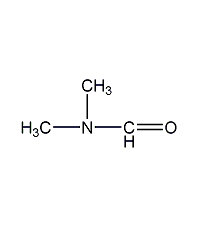
n,n-dimethylformamide n,n-dimethylformamide

n,n-dimethylformamide structural formula

structural formula

business number 01f6
molecular formula c3h7no
molecular weight 73
label

dimethylformamide,

formamide,

dimethylformamide,

n-formamidedimethylamide;,

dimethylformamide,

dormyl dimethylamine,

dmf,

dmfa,

n-formyldimethylamine,

aliphatic nitrogenous compounds

numbering system

cas number:68-12-2

mdl number:mfcd00003284

einecs number:200-679-5

rtecs number:lq2100000

brn number:605365

pubchem number:24893883

physical property data

1. properties: colorless, transparent or light yellow liquid with fishy smell. [1]

2. melting point (℃): -61[2]

3. boiling point (℃): 153[3]

4. relative density (water = 1): 0.95[4]

5. relative vapor density (air=1): 2.51[5]

6. saturated vapor pressure (kpa): 0.5 (25℃)[6]

7. heat of combustion (kj/mol): -1921[7]

8. critical temperature (℃): 374[8]

9. critical pressure (mpa): 4.48[9]

10. octanol/water partition coefficient: -0.87[10]

11. flash point (℃): 58 (oc) [11]

12. ignition temperature ( ℃): 445[12]

13. explosion upper limit (%): 15.2[13]

14. explosion lower limit (%): 2.2[14]

15. solubility: miscible with water and miscible in most organic solvents. [15]

16. refractive index (25ºc): 1.42817

17. viscosity (mpa·s, 25ºc): 0.802

18. specific rotation (º): 0.94

19. flash point (ºc): 445

20. heat of evaporation (kj/mol, 25ºc): 47.545

21. heat of evaporation (kj/mol, 100ºc): 43.585

22. heat of evaporation (kj/mol, b.p.): 38.368

23. heat of fusion (kj /mol): 16.165

24. heat of combustion (kj/mol): 1915.46

25. specific heat capacity (kj/(kg·k), 25ºc, constant pressure): 2.14

26. electrical conductivity (s/m): 6×10⁻⁸

27. thermal conductivity (w/(m·k), 20ºc ): 0.16579

toxicological data

1. acute toxicity[16]

ld50: 4000mg/kg (rat oral); 4720mg/kg (rabbit dermal )

lc50: 9400mg/m3 (mouse inhalation, 2h)

2. irritation [17] sup> rabbit eye: 100%, severe irritation (rinse with water)

3. subacute and chronic toxicity [18] when rats inhaled 2500mg/m3, 6 hours a day for 5 days, 8 to 10 out of 16 died. liver and lung damage could be seen at autopsy.

ecological datadistillation to obtain finished products.
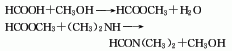
2. dimethylamine-carbon monoxide method: obtained from the direct reaction of dimethylamine and carbon monoxide under the action of sodium methoxide. reaction conditions are 1.5-2.5mpa and 110-150°c. the crude product is distilled to obtain the finished product.
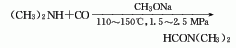
3. made of carbon monoxide and methanol in methyl formate is obtained through oxo synthesis under high pressure and temperature of 80-100°c, and then reacts with dimethylamine to form dimethylformamide, and the finished product is obtained after distillation.
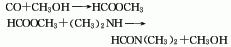
4. trichloroacetaldehyde method : obtained from the reaction of trichloroacetaldehyde and dimethylamine.

add chloroform and 0.52 parts of trichloroacetaldehyde into the reaction kettle, cool it to below 30°c, introduce gaseous dimethylamine, and at the same time, add 0.78 parts of trichloroacetaldehyde dropwise into the reaction kettle. , react. after the reaction, a distillation operation is performed. when the temperature at the top of the distillation tower is 58-64°c, the fraction is chloroform, and the fraction at 64-150°c is a mixture of chloroform and dimethylformamide. this mixture is distilled under reduced pressure. the crude dimethylformamide is obtained, and then the crude crystal is distilled to obtain the finished product.

consumption quota (kg/t): dimethylamine (40%) 2372; trichloroacetaldehyde (95%) 2543.

refining method: n,n-dimethylformamide often contains impurities such as water, ethanol, primary amines, and secondary amines, and can form hcon(ch3)2·2h2o with 2 molecules of water. to obtain high-purity products, a combination of desiccant and distillation can be used. first, add 1/10 volume of benzene and perform azeotropic distillation under normal pressure to remove water. then refine according to the following method:

① add anhydrous magnesium sulfate (25g/l) to dry, and distill under reduced pressure of 2~2.67kpa.

② add powdered barium oxide, stir, pour out the liquid, and distill under reduced pressure.

③ add alumina powder (50g/l, calcined at 500~600℃), mix and shake, and distill under reduced pressure (0.67~1.33kpa).

④ add triphenylsilyl chloride (5~10g/l), heat at 120~140℃ for 24 hours and then distill under reduced pressure (0.67kpa).

the conductivity of the product obtained by the above method: (1) (0.9~1.5)×10-7 s/m; (2) (0.4~1.0)×10-7 s/m; (3) (0.3~0.9)×10-7 s/m; (4) (0.2~0.5)×10-7 s/m.

5. use industrial product dimethylformamide as raw material and purify to obtain reagent dimethylformamide. if industrial products contain a small amount of water, it can be removed through 4a molecular sieves. if the moisture content is high, you can add an appropriate amount of granular potassium hydroxide, and leave it to stratify without shaking. after removing the water layer containing impurities such as formic acid, add reagent-grade benzene with 1/5 of the volume of dimethylformamide. distillation under normal pressure. when the gas phase temperature reaches 130°c, add an appropriate amount of phosphorus pentoxide to the residual liquid, cover it and shake for 3.5 hours. after letting it stand, filter out the solid, then dehydrate it with potassium hydroxide under nitrogen-filled conditions, and then distill under reduced pressure under the protection of dry nitrogen, and collect the middle fraction to obtain a high-purity product.

6. dimethylamine and carbon dioxide are synthesized under pressure under the catalysis of sodium methoxide or dimethylamine and methyl formate are reacted in the gas phase. it can also be obtained by the reaction of dimethylamine and trichloroacetaldehyde.

purpose

1. dimethylformamide is a good solvent for a variety of polymers such as polyethylene, polyvinyl chloride, polyacrylonitrile, polyamide, etc., and can be used for wet spinning of synthetic fibers such as polyacrylonitrile fiber. , synthesis of polyurethane; used in plastic film making; can also be used as a paint remover for removing paint; it can also dissolve some low-solubility pigments, giving the pigments the characteristics of dyes. dimethylformamide is used for the extraction of aromatic hydrocarbons and for the separation and recovery of butadiene from the c4 fraction and the separation and recovery of isoprene from the c5 fraction. it can also be used as an effective reagent for the separation of non-hydrocarbon components from paraffin. .

2. it has good selectivity for the solubility of isophthalic acid and terephthalic acid: the solubility of isophthalic acid in dimethylformamide is greater than that of terephthalic acid in dimethylformamide. the two can be separated by solvent extraction or partial crystallization from formic acid formamide. in the petrochemical industry, dimethylformamide can be used as a gas absorbent to separate and refine gases.

3. in organic reactions, dimethylformamide is not only widely used as a solvent for reactions, but also an important intermediate in organic synthesis. it can be used in the pesticide industry to produce pyrimidine.

4. reagents for titration of non-aqueous solutions, solvents for vinyl resin and acetylene, organic synthesis, photometry, gas chromatography stationary solution (maximum operating temperature 50°c, solvent is methanol), separation and analysis of c2-c5 hydrocarbons , and can separate normal and isobutylene] and cis and trans-butylene. pesticide residue analysis. organic synthesis. synthesis of peptides. for use in the photographic industry.

5. an excellent solvent and chemical raw material with extremely wide uses. it is an excellent solvent for a variety of polymers such as polyethylene, polyvinyl chloride, polyacrylonitrile, polyamide, etc. it can be used for wet spinning of synthetic fibers such as polyacrylonitrile fiber; synthesis of polyurethane; paint remover for paint removal; selective absorption of acetylene and separation and refining of butadiene; used as a solvent in the production of artificial leather; used in pesticides used to synthesize pesticides; in the pharmaceutical industry, it can be used to synthesize iodine, doxycycline, cortisone, vitamin b6, iodine glycosides, pyrantel, pyrantel, n-formylsarcolysin, and antineoplasmic acid. , methoxychloride, benzene mustard, cyclohexyl nitrosourea, furfurouracil, hemostatic acid, befenmethane, megestrol, cholevitamin, chlorpheniramine, etc.

6. used as a solvent and organic modifier in liquid chromatography, an extractant and developing agent for thin layer chromatography analysis, a solvent for vinyl resin and acetylene, and a solvent for titration of non-aqueous solvents. and used in organic synthesis.

7. mainly used as industrial solvents, in the pharmaceutical industry for the production of hormones, and also for the manufacture of pyroxime. [25]

hexyl nitrosourea, furfururacil, tournexamic acid, sefenmethasone, megestrol, cholevitamin, chlorpheniramine, etc.

6. used as a solvent and organic modifier in liquid chromatography, an extractant and developing agent for thin layer chromatography analysis, a solvent for vinyl resin and acetylene, and a solvent for titration of non-aqueous solvents. and used in organic synthesis.

7. mainly used as industrial solvents, in the pharmaceutical industry for the production of hormones, and also for the manufacture of pyroxime. [25]
dabco ne300/n,n,n’-trimethyl-n’-3-aminopropyl-bis(aminoethyl) ether

dabco ne300/n,n,n’-trimethyl-n’-3-aminopropyl-bis(aminoethyl) ether

overview:

product name: dabco ne300

alias: n,n,n’-trimethyl-n’-3-aminopropyl-bis(aminoethyl) ether, dabco ne300, amine catalyst for flexible molded foam ne300, dabco foaming catalyst, polyurethane foaming catalyst ne300

product description: dabco ne300 non-volatile catalyst for flexible molded foam, n,n,n’-trimethyl-n’-3-aminopropyl-bis(aminoethyl) ether

product physical properties:

appearance: colorless liquid

viscosity(25℃,mpa.s):9.2

density(25℃,g/cm3):0.91

water solubility: soluble in water

flash point (pmcc,℃): 124

hydroxyl value (mgkoh/g): 276

brief introduction.

dabco ne300 catalyst is a third generation non-emission (ne series) polyurethane foaming catalyst.the foam properties of dabco ne300 catalyst chemically bonded to polyurethane foams in mdi or tdi systems solves the problems of odors and emissions associated with polyurethane catalysts used in the automotive industry that can cause windshield fogging and vinyl staining. vinyl staining.

dabco ne300 catalyst can be used in conjunction with other non-volatile catalysts (e.g., dabco ne1070) or with conventional volatile catalysts to reduce emissions and odors.

dynamic headspace analysis by oem vda 278 method showed no emissions from the dabco ne300 catalyst. these results demonstrate that the dabco ne300 catalyst is fully bound to the foam. vapor pressure measurements show that the volatility of dabco ne300 non-volatile catalyst is significantly lower than current industry standards, which means that the catalyst in the foam line operates at a lower level of volatility.

typical physical properties table.

appearance light yellow transparent liquid

specific gravity 0.89

viscosity @25°c mpa.s 9.2

solubility in water @ 25°c fully soluble

flash point, ℃ 124

characteristics

non-volatile polyurethane foaming catalyst

no voc emission

no vinyl staining

no windshield fogging

stabilized masterbatch

recommendations for use.

dabco ne300 catalyst is recommended for use in any water-blown tdi or tdi/mdi polyurethane high resilient (hr) foam; and tdi/mdi or mdi-based cold-cured polyurethane foamed molding mat systems.dabco ne300 non-volatile catalyst is compatible with other commonly used polyurethane catalysts and additives and is miscible with polyols and polyol/water mixtures.

the recommended dosage of dabco ne300 catalyst is 0.1-0.2pphp in mdi systems and 0.15-0.2pphp in tdi systems.

product usage:

dabco ne300 is a non-emitting amine catalyst used to promote urea (water-isocyanate) reactions. it reacts into the polyurethane matrix and therefore produces no organic volatiles;

dabco ne300 is suitable for all molded foam and high density foam applications to meet oem emission regulations such as vda278;

dabco ne300 is also used in flexible block foam (polyether and polyester) applications to meet certipur or lga requirements;

dabco ne300 is a non-emitting catalyst that replaces dabco bl-11 catalyst;

dabco ne300 can be used in any water-blown tdi or tdi/mdi high resilient (hr) foam as well as tdi/mdi or mdi-type cold cure molded polyurethane foam;

dabco ne300 is recommended for use at 0.50-1 pphp (per one hundred parts of polyol) in mdi systems and 0.4-0.7 pphp in tdi systems.

shelf life.

keep unopened for two years

storage and transportation:

should be sealed and stored in a dry, cool and ventilated warehouse

packaging:

200kg/drum storage: it is recommended to store in dry and cool area with proper ventilation. please fasten the packaging cover as soon as possible after the original packaging to prevent the mixing of other substances such as moisture and other substances that may affect the product performance. store in a cool and dry place, keep the container sealed and avoid contact with oxides. do not inhale dust and avoid contact with skin and mucous membranes. smoking, eating and drinking are prohibited in the workplace. after work, shower and change clothes. store contaminated clothing separately and wash before use. maintain good hygiene practices. the company recommends that all polyurethane catalysts be stored in a dry, cool and properly ventilated area. all storage containers must be well sealed to avoid contact with water or other affected substances, which may alter the performance of the product in use. the storage temperature is 10°c to 30°c. lower or higher temperatures are inappropriate and should be avoided if possible.

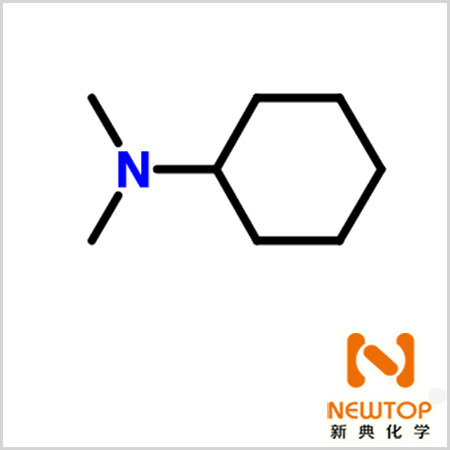
n,n-dimethylcyclohexylamine/cas 98-94-2/polycat 8

n,n-dimethylcyclohexylamine/cas 98-94-2/polycat 8

overview:

n,n-dimethylcyclohexylamine is a low viscosity, moderately active amine catalyst for use in a wide range of rigid foams. one of the main applications is in formulations for insulation foams, spraying, panels, laminates, in-situ infusion and refrigeration, etc. n,n-dimethylcyclohexylamine is also suitable for the manufacture of rigid foam furniture frames and decorative components.

synonyms:

dimethylcyclohexylamine, dmcha, n,n-dimethylcyclohexylamine, cas: 98-94-2, polycat 8, niax c-8, catalyst pc8, catalyst pc-8, polyurethane catalyst pc-8, rigid foam catalyst pc-8

chinese name n,n-dimethylcyclohexylamine

english name n,n-dimethylcyclohexylamine

chemical formula c8h17n

molecular weight 127.23

cas no. 98-94-2

melting point -60℃

boiling point 158~160℃

water solubility 10 g/l

density 0.849 g/ml

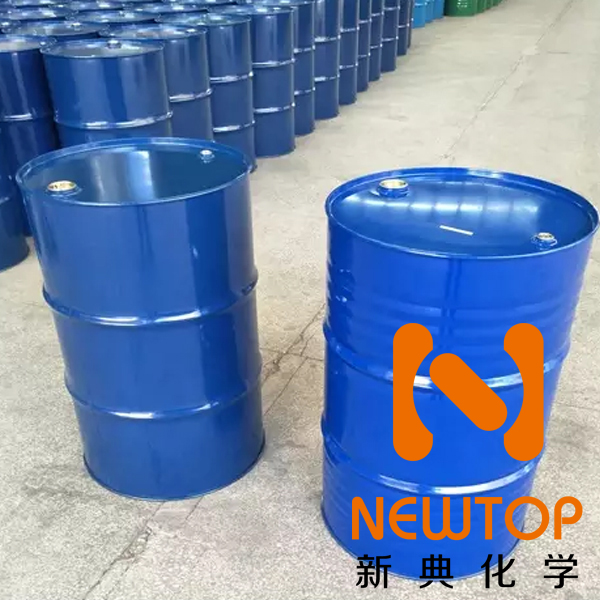
appearance colorless or light yellow transparent liquid

flash point 108℉

application: special catalyst for hard foam

application

the product 3, especially suitable for the preparation of two-component system, can be dissolved in many hard foam polyol and auxiliaries, in the combination of materials, stable performance, no need to add organotin, moderate activity, adjustability, and can be stored for a long time. in the large-capacity refrigerator combination material, add the appropriate amount of lca-1, lca-3, it can improve the flow performance of the foam. the general dosage of hard foam is about 3% of polyether, and auxiliary catalyst can also be added according to the requirements of products. the product has ammonia flavor and bitter taste, irritation to the skin, a certain degree of toxicity, the production must wear good protective equipment.

dimethylcyclohexylamine dmcha is a low viscosity medium active amine catalyst, used for refrigerator hard foam, sheet, spraying, on-site filling polyurethane hard foam.dmcha catalyst has catalytic effect on both gel and foam, dimethylcyclohexylamine provides balanced catalytic performance for foam and gel reaction of hard foam, and it has moderate catalytic property for the reaction between water and isocyanate, dmcha is a strong initial catalyst for foam reaction. dmcha can be used as a stand-alone catalyst, but it is generally used together with other catalysts. depending on the reaction rate and foam properties, the amount of dmcha per 100 parts of polyether polyol ranges from 0.5 to 3.5 parts. in addition to hard foam, n-dimethylcyclohexylamine dmcha can be used as auxiliary catalyst for molding soft foam and semi-hard foam.

n-dimethylcyclohexylamine dmcha is mainly used as the catalyst for rigid polyurethane foam, but also has a wide range of other uses: it is also used as a stabilizer for fuel oil to prevent the formation of oil residue; at the same time, it is also a stabilizing additive for the petroleum distillate of 150-480 ℃; and it is also used as the raw material for pharmaceuticals and pesticides as a biocide, a disinfectant, an equalizing agent, and an antistatic agent, and so on.

storage and transportation:

should be sealed and stored in dry, cool and ventilated warehouse

impact on the environment:

  1. health hazards invasion route: inhalation, ingestion, percutaneous absorption. health hazard: this product has strong irritation to mucous membrane, upper respiratory tract, eyes and skin. after inhalation, it can cause death due to spasm, inflammation and edema of the larynx and bronchial tubes, chemical pneumonitis or pulmonary edema. burning sensation, coughing, wheezing, laryngitis, shortness of breath, headache, nausea and vomiting occur after exposure.

  2. toxicological information and environmental behavior acute toxicity: ld50 348mg/kg (rat oral); lc501889mg/m3 2 hours (rat inhalation)

hazardous characteristics:

flammable when exposed to open flame and high heat. reacts strongly with oxidizing agents. if exposed to high heat, the pressure inside the container increases, there is a danger of cracking and explosion. combustion (decomposition) products: carbon monoxide, carbon dioxide, nitrogen oxide.

packing:

180kg/drum storage: it is recommended to store in dry and cool area with proper ventilation. please fasten the packaging cover as soon as possible after the original packaging to prevent the mixing of other substances such as moisture and other substances that may affect the product performance. store in a cool and dry place, keep the container sealed and avoid contact with oxides. do not inhale dust and avoid contact with skin and mucous membranes. smoking, eating and drinking are prohibited in the workplace. after work, shower and change clothes. store contaminated clothing separately and wash before use. maintain good hygiene practices.

company name:

newtop chemical materials (shanghai) co., ltd.

sales manager:

hunter

e_mail:

 sales@newtopchem.com

telephone:

86-152 2121 6908

fax:

86-021-5657 7830

address:

rm. 1104, no. 258, songxing west road,
baoshan district, shanghai, china (mainland)

website:

www.newtopchem.com 

bdmaee:bis (2-dimethylaminoethyl) ether

cas no:3033-62-3

china supplier

for more information, please contact the following email:

email:sales@newtopchem.com

email:service@newtopchem.com

email:technical@newtopchem.com

BDMAEE Manufacture !