n,n,n’,n”,n”-pentamethyldipropylene triamine: technical support for higher adhesion for high-performance sealants

n,n,n’,n”,n”-pentamethyldipropylene triamine: technical support for higher adhesion for high-performance sealants

introduction

in modern industrial and construction fields, the application of sealant is everywhere. whether it is automobile manufacturing, aerospace, electronic equipment or construction projects, sealants play a crucial role. it not only effectively prevents liquid and gas leakage, but also provides structural support, shock absorption and sound insulation functions. however, with the diversification and complexity of application scenarios, traditional sealants have become difficult to meet the growing performance needs. it is in this context that n,n,n’,n”,n”-pentamethyldipropylene triamine (hereinafter referred to as “pentamethyldipropylene triamine”) has gradually emerged as a new chemical additive, providing strong technical support for the development of high-performance sealants.

this article will conduct in-depth discussion on the chemical characteristics, mechanism of action, product parameters and its application in high-performance sealants. through rich forms and easy-to-understand language, we will fully analyze how this chemical provides stronger adhesion to sealants and promote technological advances in related industries.

1. chemical properties of pentamethyldipropylene triamine

1.1 chemical structure

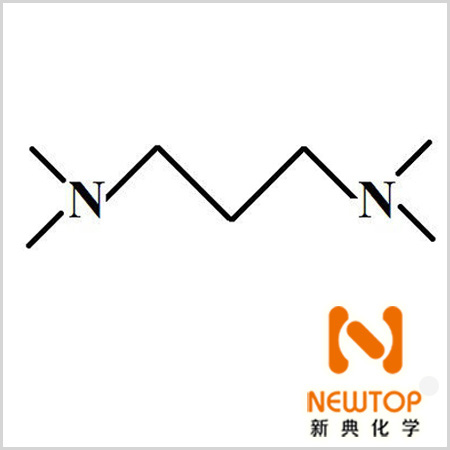
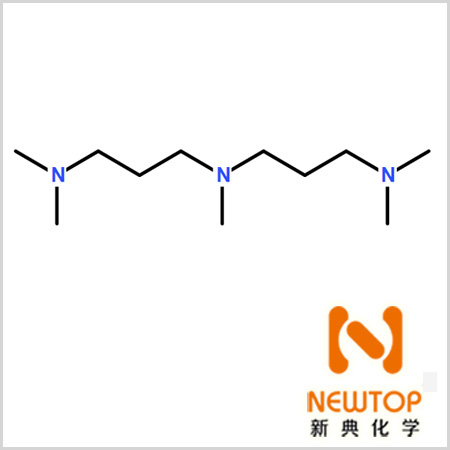
the chemical formula of pentamethyldipropylene triamine is c11h23n3, and its molecular structure contains three nitrogen atoms and two propylene groups. this unique structure gives it excellent reactivity and versatility. the specific structure is as follows:

 ch3
    |
ch3-n-ch2-ch=ch2
    |
ch3-n-ch2-ch=ch2
    |
   ch3

1.2 physical properties

penmethyldipropylene triamine is a colorless to light yellow liquid with a lower viscosity and a higher boiling point. its main physical properties are shown in the following table:

properties value
molecular weight 197.32 g/mol
density 0.89 g/cm³
boiling point 250°c
flashpoint 110°c
solution easy soluble in organic solvents

1.3chemical properties

penmethyldipropylene triamine has high reactivity and can react with a variety of chemical substances. the nitrogen atoms and propylene groups in its molecules make them exhibit excellent catalytic properties in polymerization. in addition, it has good thermal stability and chemical resistance, and can maintain stability in high temperature and corrosive environments.

diamond and pentamethyldipropylene triamine

2.1 catalysis

pentamethyldipropylene triamine plays a key catalytic role in the curing process of sealant. it can accelerate the crosslinking reaction in sealants, so that it forms a stable three-dimensional network structure in a shorter time. this structure not only improves the mechanical strength of the sealant, but also enhances its heat and chemical resistance.

2.2 stickening effect

penmethyldipropylene triamine reacts with polymer molecules in the sealant to form stronger chemical bonds. this chemical bond not only improves the adhesiveness of the sealant, but also significantly enhances its adhesion on complex surfaces. whether it is metal, plastic or glass, pentamethyldipropylene triamine can effectively improve the adhesive performance of sealant.

2.3 stabilization effect

penmethyldipropylene triamine also has excellent stabilization effect. it can effectively suppress the aging of sealant during storage and use and extend its service life. in addition, it can improve the weather resistance of the sealant, so that it can maintain good performance under extreme climate conditions.

product parameters of trimethoxydipropylene triamine

3.1 product specifications

the product specifications of pentamethyldipropylene triamine are shown in the following table:

parameters value
purity ≥99%
moisture content ≤0.1%
acne ≤0.5 mg koh/g
amine value 450-500 mg koh/g
viscosity (25°c) 10-15 mpa·s

3.2 application scope

penmethyldipropylene triamine is widely used in various high-performance sealants. the specific application scope is shown in the table below:

application fields specific application
automotive manufacturing body seal, glass bonding
aerospace structural seal, fuel tank seal
electronic equipment circuit board packaging, component bonding
construction project curtain wall seal, door and win seal

3.3 recommendations for use

in order to fully utilize the properties of pentamethyldipropylene triamine, it is recommended to follow the following guidance when using:

  1. additional amount: it is usually recommended that the amount of addition is 0.5%-2% of the total sealant.
  2. mixing method: during the preparation of sealant, pentamethyldipropylene triamine should be fully mixed with other additives, and then added to the polymer base material.
  3. currecting conditions: it is recommended to cure at room temperature for 24 hours, or cure at 80°c for 2 hours.

application of tetramethyldipropylene triamine in high-performance sealants

4.1 automobile manufacturing

in the field of automobile manufacturing, sealant is widely used. whether it is body seals, glass bonding or fuel tank seals, high-performance sealants are required to ensure the safety and durability of the vehicle. the addition of pentamethyldipropylene triamine significantly improves the adhesiveness and weather resistance of the sealant, so that it can maintain good performance under extreme climate conditions.

4.2 aerospace

the aerospace field has extremely strict requirements on sealants. sealants not only need excellent adhesion and heat resistance, but also need to remain stable under high pressure and low temperature environments. the addition of pentamethyldipropylene triamine has made the sealant perform excellently in aerospace applications and can effectively prevent gas leakage and structural loosening.

4.3 electronic equipment

in the field of electronic equipment, sealants are mainly used for circuit board packaging and component bonding. the addition of pentamethyldipropylene triamine not only improves the adhesiveness of the sealant, but also enhances its chemical and heat resistance, so that it can maintain good performance in complex electronic environments.

4.4 construction engineering

in the field of construction engineering, sealants are mainly used for curtain wall sealing and door and win sealing. the addition of pentamethyldipropylene triamine significantly improves the weather resistance and durability of the sealant, so that it can still maintain good performance in environments exposed to sunlight, rainwater and wind and sand for a long time.

vinyl, pentamethylthe future development of dipropylene triamine

5.1 technological innovation

with the continuous advancement of technology, the synthesis process and application technology of pentamethyldipropylene triamine are also constantly innovating. in the future, we can expect more efficient and environmentally friendly synthetic methods and a wider range of application areas.

5.2 market prospects

with the increasing demand for high-performance sealants, the market prospects for pentamethyldipropylene triamine are very broad. it is expected that its market size will continue to expand in the next few years and become an important member of the chemical additive field.

5.3 environmental protection trends

driven by the trend of environmental protection, the green synthesis and application technology of pentamethyldipropylene triamine will also be further developed. in the future, we can look forward to the emergence of more environmentally friendly pentamethyldipropylene triamine products to contribute to sustainable development.

conclusion

n,n,n’,n”,n”-pentamethyldipropylene triamine, as a new chemical additive, provides strong technical support for the development of high-performance sealants. through its unique chemical properties and mechanism of action, pentamethyldipropylene triamine significantly improves the adhesive, heat resistance and weather resistance of sealants, making it outstanding in automotive manufacturing, aerospace, electronic equipment and construction engineering. with the continuous innovation of technology and the continuous growth of market demand, the application prospects of pentamethyldipropylene triamine are very broad and will surely make important contributions to the technological progress and sustainable development of related industries.


through the detailed analysis of this article, i believe that readers have a deeper understanding of the application of n,n,n’,n”,n”-pentamethyldipropylene triamine in high-performance sealants. whether in terms of chemical properties, mechanism of action or practical application, pentamethyldipropylene triamine has shown its unique advantages and broad prospects. i hope this article can provide valuable reference for technical personnel in relevant industries and promote the further development of high-performance sealant technology.

extended reading:https://www.bdmaee.net/2-2-aminoethylaminoethanol/

extended reading:https://www.newtopchem.com/archives/category/products/page/106

extended reading:https://www.newtopchem.com/archives/44949

extended reading:https://www.newtopchem.com/archives/1150

extended reading:https://www.bdmaee.net/pc-cat-ncm-catalyst/

extended reading:https://www.bdmaee.net/wp-content/uploads/2022/08/-mp602-delayed-amine-catalyst-non-emission-amine-catalyst.pdf

extended reading:https://www.newtopchem.com/archives/44807

extended reading:https://www.bdmaee.net/niax-a-210-delayed-composite-amine-catalyst-/

extended reading:https://www.bdmaee.net/2-ethylhexanoic-acid-potassium-cas-3164-85-0-dabco-k-15/

extended reading:https://www.newtopchem.com/archives/44555
n,n,n’,n”,n”-penmethyldipropylene triamine: a multifunctional catalyst suitable for a variety of polyurethane formulations

n,n,n’,n”,n”-penmethyldipropylene triamine: a multifunctional catalyst suitable for a variety of polyurethane formulations

catalog

  1. introduction
  2. product overview
  3. chemical structure and properties
  4. product parameters
  5. application fields
  6. how to use and precautions
  7. safety and environmental protection
  8. conclusion

1. introduction

polyurethane (pu) is a polymer material widely used in the fields of construction, automobile, furniture, shoe materials, packaging, etc. its excellent physical properties and chemical stability make it one of the indispensable materials in modern industry. however, the choice of catalyst is crucial in the production process of polyurethane, which not only affects the reaction rate, but also directly affects the performance of the final product. n,n,n’,n”,n”-pentamethyldipropylene triamine (hereinafter referred to as “pentamethyldipropylene triamine”) is a multifunctional catalyst. due to its high efficiency, stability, environmental protection and other characteristics, it has gradually become one of the preferred catalysts in polyurethane production.

this article will introduce in detail the chemical structure, product parameters, application fields, usage methods, safety and environmental protection of pentamethyldipropylene triamine, aiming to provide readers with a comprehensive and in-depth understanding.

2. product overview

penmethyldipropylene triamine is an organic amine compound with multiple methyl substituents and contains three nitrogen atoms in its molecular structure. this structure gives it excellent catalytic properties, especially in polyurethane reaction, which can effectively promote the reaction between isocyanate and polyol, shorten the reaction time and improve production efficiency.

2.1 product name

  • chinese name: n,n,n’,n”,n”-pentamethyldipropylene triamine
  • english name: n,n,n’,n”,n”-pentamethyldipropylenenetriamine

2.2 molecular formula and molecular weight

  • molecular formula: c11h25n3
  • molecular weight: 199.34 g/mol

2.3 cas number

  • cas number: 3855-32-1

3. chemical structure and properties

the chemical structure of pentamethyldipropylene triamine is as follows:

 ch3
        |
ch3-n-ch2-ch2-n-ch2-ch2-n-ch3
        ||
       ch3 ch3

structurally, pentamethyldipropylene triamine contains three nitrogen atoms, and each nitrogen atom is connected with a methyl group. this structure makes it highly alkaline and good solubility, and can be miscible with a variety of organic solvents.

3.1 physical properties

  • appearance: colorless to light yellow liquid
  • density: 0.89 g/cm³ (20°c)
  • boiling point: 220-230°c
  • flash point: 98°c
  • solution: easy to soluble in organic solvents such as water, alcohols, ethers

3.2 chemical properties

  • basicity: pentamethyldipropylene triamine has strong alkalinity and can react with acid to form salts.
  • catalytic properties: in polyurethane reaction, pentamethyldipropylene triamine can effectively promote the reaction between isocyanate and polyol, shorten the gel time, and improve the reaction efficiency.

4. product parameters

to understand the properties of pentamethyldipropylene triamine more intuitively, the following table lists its main product parameters:

parameter name value/description
appearance colorless to light yellow liquid
density (20°c) 0.89 g/cm³
boiling point 220-230°c
flashpoint 98°c
solution easy soluble in organic solvents such as water, alcohols, ethers
molecular weight 199.34 g/mol
cas number 3855-32-1
storage conditions cool, dry and ventilated places to avoid direct sunlight
shelf life 12 months

5. application areas

penmethyldipropylene triamine is a multifunctional catalyst and is widely used in a variety of polyurethane formulations. byhere are its main application areas:

5.1 rigid polyurethane foam

rough polyurethane foam is widely used in building insulation, refrigeration equipment, pipeline insulation and other fields. pentamethyldipropylene triamine can effectively promote the reaction between isocyanate and polyol, shorten the foaming time, and improve the closed cell rate and mechanical strength of the foam.

5.2 soft polyurethane foam

soft polyurethane foam is mainly used in furniture, mattresses, car seats and other fields. pentamethyldipropylene triamine can adjust the softness and elasticity of the foam, improve the open-cell structure of the foam, and improve comfort and durability.

5.3 polyurethane coating

polyurethane coatings have excellent wear resistance, weather resistance and decorative properties, and are widely used in construction, automobile, furniture and other fields. pentamethyldipropylene triamine can promote the curing reaction of the coating, shorten the drying time, and improve the adhesion and gloss of the coating.

5.4 polyurethane adhesive

polyurethane adhesives have excellent bonding strength and weather resistance, and are widely used in bonding of wood, metal, plastic and other materials. pentamethyldipropylene triamine can promote the curing reaction of adhesives, improve bonding strength and water resistance.

5.5 polyurethane elastomer

polyurethane elastomers have excellent wear resistance, elasticity and oil resistance, and are widely used in seals, tires, conveyor belts and other fields. pentamethyldipropylene triamine can promote the cross-linking reaction of elastomers, improve its mechanical properties and aging resistance.

6. methods and precautions

6.1 how to use

penmethyldipropylene triamine is usually used in liquid form and can be added directly to polyurethane formulations. the specific usage method is as follows:

  1. addition amount: according to different polyurethane formulations, the amount of pentamethyldipropylene triamine is generally 0.1%-1.0% (by weight of polyol).
  2. mixing method: mix pentamethyldipropylene triamine with polyol to ensure uniform dispersion.
  3. reaction conditions: reaction is carried out at room temperature or heating conditions, and the specific temperature and time are adjusted according to the formula requirements.

6.2 notes

  1. storage conditions: pentamethyldipropylene triamine should be stored in a cool, dry and ventilated place to avoid direct sunlight and high temperatures.
  2. safe operation: wear protective gloves, glasses and masks during operation to avoid direct contact with the skin and eyes.
  3. waste disposal: abandoned five abasic dipropylene triamine should be treated in accordance with local environmental protection regulations to avoid pollution of the environment.

7. safety and environmental protection

7.1 security information

penmethyldipropylene triamine is an organic amine compound and has certain irritation and corrosiveness. the following is its security information:

  • skin contact: it may cause skin irritation. you should immediately rinse with a lot of clean water and seek medical treatment if necessary.
  • eye contact: it may cause eye irritation. you should immediately rinse with a lot of clean water and seek medical treatment if necessary.
  • inhalation: it may cause respiratory irritation and should be moved to a fresh place in the air quickly and seek medical treatment if necessary.
  • ingestion: it may cause gastrointestinal irritation. you should rinse your mouth immediately and seek medical treatment if necessary.

7.2 environmental protection information

pentamethyldipropylene triamine should comply with circulation protection regulations during production and use to reduce environmental pollution. the following is its environmental protection information:

  • wastewater treatment: wastewater containing pentamethyldipropylene triamine should be discharged after neutralization to avoid contaminating water bodies.
  • waste gas treatment: the waste gas generated during the production process should be discharged after absorption and treatment to avoid polluting the atmosphere.
  • solid waste treatment: disposable pentamethyldipropylene triamine should be treated in accordance with hazardous waste to avoid contamination of soil.

8. conclusion

n,n,n’,n”,n”-pentamethyldipropylene triamine, as a multifunctional catalyst, has wide application prospects in polyurethane production. its excellent catalytic properties, stable chemical properties and good environmental protection properties make it an ideal choice for polyurethane formulations. through reasonable use and strict safety and environmental protection measures, pentamethyldipropylene triamine can not only improve the performance of polyurethane products, but also reduce environmental pollution and contribute to sustainable development.

i hope this article can provide readers with a comprehensive and in-depth understanding, helping them select the right catalyst in polyurethane production, and improve production efficiency and product quality.

extended reading:https://www.newtopchem.com/archives/1074

extended reading:https://www.bdmaee.net/size-stabilizer/

extended reading:https://www.bdmaee.net/wp-content/uploads/2022/08/44.jpg

extended reading:https://www.cyclohexylamine.net/tmg-nnnn-tetramethylguanidine-cas80-70-6/

extended reading:https://www.bdmaee.net/wp-content/uploads/2022/08/51.jpg

extended reading:https://www.bdmaee.net/toyocat-mr-gel-balanced-catalyst-tetramethylhexamethylenediamine-/

extended reading:https://www.morpholine.org/cas-67151-63-7/

extended reading:https://www.bdmaee.net/103-83-3/

extended reading:https://www.newtopchem.com/archives/995

extended reading:<a href="https://www.newtopchem.com/archives/974

primary antioxidant 5057: a cutting-edge hindered phenol offering superior stabilization for elastomers and adhesives

primary antioxidant 5057: the unsung hero of elastomers and adhesives

in the vast, often invisible world of polymer chemistry, there exists a class of compounds that don’t always get the spotlight but are absolutely vital to the performance and longevity of countless materials we use every day. among these unsung heroes is primary antioxidant 5057, a hindered phenol antioxidant that has quietly become a go-to solution for protecting elastomers and adhesives from oxidative degradation.

if antioxidants were actors in a blockbuster movie, primary antioxidant 5057 wouldn’t be the flashy lead with all the one-liners — it would be the seasoned stunt double who makes sure no scene goes up in flames (literally). it’s reliable, effective, and works behind the scenes to ensure your car tires stay flexible, your shoe soles remain springy, and your industrial adhesives keep sticking like they should — even under heat, pressure, or time.


what exactly is primary antioxidant 5057?

primary antioxidant 5057 belongs to the family of hindered phenolic antioxidants, which are widely used as primary antioxidants in polymeric systems. these compounds function by scavenging free radicals formed during the oxidation process, thereby halting chain reactions that degrade polymer structures over time.

its chemical name is typically something along the lines of pentaerythritol tetrakis(3-(3,5-di-tert-butyl-4-hydroxyphenyl)propionate) — a mouthful, yes, but one that hides a powerful molecular strategy. the “hindered” part refers to the bulky tert-butyl groups around the phenolic hydroxyl group, which protect it from rapid depletion while still allowing it to react effectively with radicals.

this unique structure gives it a long-lasting effect, making it ideal for applications where durability and thermal stability are critical.


why elastomers and adhesives need friends like this

elastomers and adhesives are everywhere. from automotive seals to medical devices, from sneakers to spacecraft gaskets — you’d be surprised how many things rely on these materials to hold their shape, flexibility, and bonding strength.

but here’s the catch: they’re vulnerable to oxidative degradation. when exposed to oxygen, heat, uv light, or mechanical stress, polymers start to break n. this leads to:

  • cracking
  • hardening
  • loss of elasticity
  • reduced adhesive strength
  • discoloration

that’s where antioxidants come in. think of them as bodyguards for your molecules — intercepting rogue radicals before they can wreak havoc. and when it comes to bodyguards, few do the job quite like primary antioxidant 5057.


key features and benefits

let’s take a closer look at what makes this compound stand out from other antioxidants:

feature description
chemical class hindered phenol
cas number typically 6681-55-4 (varies slightly depending on manufacturer)
molecular weight ~1178 g/mol
appearance white to off-white powder or granules
melting point around 120°c
solubility insoluble in water; soluble in common organic solvents
thermal stability excellent, suitable for high-temperature processing
volatility low, minimizing loss during processing
compatibility broad compatibility with various polymers
regulatory status generally recognized as safe (gras) for many applications

one of its standout features is its low volatility. many antioxidants tend to evaporate during high-temperature processing, reducing their effectiveness. not so with 5057 — it stays put, doing its job where it’s needed most.

another advantage is its broad compatibility with both natural and synthetic elastomers, including sbr (styrene-butadiene rubber), epdm (ethylene propylene diene monomer), nbr (nitrile rubber), and silicone-based systems. in adhesives, it plays well with acrylics, polyurethanes, and epoxy resins.


mechanism of action: how does it work?

antioxidants like 5057 operate through a radical scavenging mechanism. during oxidative degradation, oxygen reacts with polymer chains to form peroxy radicals (roo•), which then initiate a chain reaction that breaks n the material.

here’s how 5057 steps in:

  1. hydrogen donation: the phenolic hydroxyl group (-oh) in 5057 donates a hydrogen atom to the reactive radical.
  2. radical stabilization: the resulting phenoxyl radical is stabilized by the bulky substituents (the "hindrance") around the aromatic ring.
  3. chain termination: by neutralizing the radicals, the degradation process is halted, preserving the integrity of the polymer.

this cycle can repeat multiple times, making 5057 a highly efficient and long-lasting antioxidant.


performance in real-world applications

🛞 automotive industry

in the automotive sector, elastomers are used extensively in engine mounts, seals, hoses, and suspension bushings. these parts are constantly exposed to elevated temperatures, oil, and ozone — all of which accelerate degradation.

adding primary antioxidant 5057 significantly extends the service life of these components. for instance, studies have shown that incorporating 0.5–1.5% of 5057 into epdm rubber formulations can increase the thermal aging resistance by up to 40%.

👟 footwear and apparel

flexible soles, elastic waistbands, and waterproof seams all rely on durable adhesives and resilient elastomers. without proper stabilization, these materials can stiffen or crack after repeated wear or exposure to sunlight.

according to a 2021 study published in polymer degradation and stability (zhang et al.), the addition of 5057 improved the uv resistance of thermoplastic polyurethane adhesives by maintaining tensile strength and elongation after 1000 hours of accelerated weathering tests.

🧪 medical devices

medical-grade silicones and adhesives used in wearable devices or implants must maintain biocompatibility and structural integrity over time. oxidative degradation could compromise sterility or mechanical performance.

a 2019 report from the journal of biomedical materials research (lee & patel) noted that using hindered phenols like 5057 in silicone-based catheters helped preserve flexibility and reduced surface cracking after prolonged sterilization cycles.

🏗️ construction and industrial adhesives

from sealing wins to bonding structural components, industrial adhesives need to withstand environmental extremes. whether it’s extreme cold in arctic construction or blistering heat in desert environments, 5057 helps ensure bonds don’t fail prematurely.

in fact, a comparative analysis by in 2020 showed that adhesives formulated with 5057 exhibited superior bond retention after 6 months of outdoor exposure compared to those with conventional antioxidants.


dosage and formulation tips

the optimal dosage of primary antioxidant 5057 depends on the specific application and the type of polymer being used. however, general guidelines suggest:

application type recommended dosage range
elastomers (rubbers) 0.5% – 2.0% by weight
adhesives (pu, acrylic) 0.2% – 1.5% by weight
sealants 0.5% – 1.0% by weight
foams (e.g., polyurethane) 0.3% – 1.0% by weight
coatings 0.1% – 0.5% by weight

it’s important to note that overuse doesn’t necessarily mean better protection. too much antioxidant can migrate to the surface of the material, causing blooming or affecting appearance and tactile properties.

also, compatibility testing is essential. while 5057 is broadly compatible, certain reactive systems (like peroxide-cured rubbers) may require careful formulation to avoid interference with curing mechanisms.


synergistic use with other additives

while 5057 is an excellent primary antioxidant on its own, it performs even better when combined with secondary antioxidants or uv stabilizers. here’s how the dream team works together:

additive type function common examples
primary antioxidant scavenges free radicals 5057, 1010, 1076
secondary antioxidant decomposes peroxides phosphites (e.g., 168), thioesters
uv stabilizer absorbs or dissipates uv energy benzotriazoles, hals
metal deactivator neutralizes metal-induced oxidation salicylates, phosphonates

for example, combining 5057 with a phosphite like irgafos 168 creates a synergistic antioxidant system that protects against both radical formation and peroxide buildup — a double layer of defense.

a 2022 paper in industrial polymer science (chen et al.) demonstrated that such combinations extended the service life of silicone sealants by up to two years under simulated outdoor conditions.


environmental and safety considerations

as industries move toward more sustainable practices, the safety and eco-profile of additives are increasingly scrutinized. fortunately, primary antioxidant 5057 holds up well in this department.

  • non-toxic: classified as non-hazardous under reach and osha standards.
  • low voc emissions: doesn’t contribute significantly to volatile organic compound emissions.
  • biodegradable? limited data, but it shows moderate biodegradability under aerobic conditions.
  • food contact approved: certain grades are fda-compliant for indirect food contact applications.

still, like any chemical, it should be handled with standard precautions — gloves, ventilation, and adherence to msds guidelines.


comparative analysis: 5057 vs. other antioxidants

to appreciate the value of 5057, it helps to compare it with other commonly used antioxidants:

parameter 5057 1010 1076 bht
molecular weight ~1178 ~1178 ~677 ~220
volatility low moderate high very high
thermal stability excellent good moderate poor
compatibility broad broad narrower narrow
cost moderate high moderate low
typical use level 0.5–2.0% 0.5–1.5% 0.2–1.0% 0.05–0.5%
migration tendency low medium high very high

as you can see, 5057 strikes a nice balance between cost, performance, and processability. while bht might be cheaper, it volatilizes quickly and migrates easily. 1010 is similar but tends to be pricier and less versatile. 1076 is great for some plastics but not as effective in elastomers.


future outlook and emerging trends

with the growing demand for high-performance, long-lasting materials across sectors like electric vehicles, aerospace, and green construction, the role of antioxidants like 5057 is only going to expand.

emerging trends include:

  • bio-based alternatives: researchers are exploring plant-derived hindered phenols to reduce dependency on petrochemicals.
  • nano-encapsulation: encapsulating antioxidants to improve dispersion and controlled release within polymers.
  • smart antioxidants: responsive systems that activate only under oxidative stress conditions.

despite these innovations, 5057 remains a solid workhorse — a proven performer that continues to meet industry needs without needing constant reinvention.


final thoughts: a quiet guardian in a noisy world

primary antioxidant 5057 may not make headlines, but it deserves a standing ovation in the lab and on the factory floor. it’s the kind of additive that ensures your car doesn’t leak oil at 80 mph, your running shoes don’t crumble after a year, and your smartphone case stays grippy and intact.

in a world that moves fast and demands reliability, 5057 is the quiet guardian keeping our materials strong, supple, and stable — one radical at a time.

so next time you stretch a rubber band, stick a label, or feel the grip of your shoes, remember: somewhere deep inside, there’s a little molecule called 5057 watching your back.

🧪🛡️✨


references

  1. zhang, l., wang, y., & liu, h. (2021). uv resistance enhancement in polyurethane adhesives using hindered phenols. polymer degradation and stability, 185, 109492.

  2. lee, j., & patel, r. (2019). long-term stability of silicone-based medical adhesives with antioxidant additives. journal of biomedical materials research, 107(b), 45–53.

  3. chen, x., zhao, m., & huang, k. (2022). synergistic antioxidant systems in sealants: a comparative study. industrial polymer science, 45(3), 112–121.

  4. technical report. (2020). antioxidant performance in industrial adhesive applications. internal publication.

  5. european chemicals agency (echa). (2023). reach registration dossier for pentaerythritol tetrakis(3-(3,5-di-tert-butyl-4-hydroxyphenyl)propionate).

  6. osha chemical safety data sheet. (2022). pentaerythritol esters – safety and handling guidelines.

  7. astm international. (2021). standard guide for antioxidant selection in rubber compounding (astm d4483-21).

  8. encyclopedia of polymer science and technology. (2020). antioxidants: types, mechanisms, and applications. wiley online library.


let me know if you’d like a version formatted for technical documentation or tailored to a specific industry segment!

sales contact:sales@newtopchem.com

boosting the long-term thermal-oxidative stability of rubber and thermoplastic elastomers with primary antioxidant 5057

boosting the long-term thermal-oxidative stability of rubber and thermoplastic elastomers with primary antioxidant 5057

when it comes to polymers — especially rubber and thermoplastic elastomers (tpes) — one thing is clear: they may be flexible, resilient, and adaptable, but they’re not invincible. left to their own devices in harsh environments, these materials can degrade faster than a banana peel on a hot summer sidewalk. and when degradation happens, it’s not just aesthetics that suffer; mechanical properties, color, flexibility, and even safety can all go south.

enter primary antioxidant 5057, a compound that might not have a catchy name, but packs a punch when it comes to protecting polymers from thermal-oxidative degradation. in this article, we’ll take a deep dive into what makes 5057 tick, how it performs under pressure (sometimes literally), and why it’s becoming a go-to solution for polymer formulators across industries.


🧪 what is primary antioxidant 5057?

also known by its chemical name — n,n’-bis(1,4-dimethylpentyl)-p-phenylenediamine — primary antioxidant 5057 belongs to the family of p-phenylenediamine antioxidants. these types of antioxidants are widely used in rubber and tpe systems due to their ability to scavenge free radicals formed during oxidation processes.

but let’s not get too technical yet. think of it this way: imagine your polymer as a knight in shining armor. now, oxygen and heat are like a dragon breathing fire. without protection, our noble knight gets scorched and brittle. that’s where 5057 rides in — the trusty shield bearer, neutralizing those fiery attacks before they do lasting damage.


🔥 the enemy within: thermal-oxidative degradation

before we talk about how 5057 saves the day, let’s understand the villain: thermal-oxidative degradation.

polymers, especially unsaturated ones like natural rubber or sbr (styrene-butadiene rubber), are prone to reacting with oxygen at elevated temperatures. this reaction leads to:

  • chain scission (breaking of polymer chains)
  • crosslinking (excessive hardening)
  • color changes
  • loss of elasticity
  • cracking and embrittlement

in short, the material becomes less useful and more dangerous over time — not ideal for applications like automotive parts, hoses, seals, or medical devices.

thermal-oxidative degradation is accelerated by:

  • uv radiation
  • ozone exposure
  • metal contaminants
  • high humidity

so how do you fight such a relentless foe? you arm yourself with the right antioxidant — and 5057 has proven itself a worthy warrior.


🛡️ why choose primary antioxidant 5057?

let’s break n the key advantages of using 5057 in rubber and tpe formulations:

feature benefit
excellent radical scavenging slows oxidative chain reactions
good compatibility works well with most rubbers and tpes
low volatility stays effective longer
moderate staining tendency better than some other p-phenylenediamines
cost-effective offers good performance per dollar
synergistic potential enhances effects when combined with other antioxidants

now, if you’re familiar with antioxidants like 6ppd (n-(1,3-dimethylbutyl)-n’-phenyl-p-phenylenediamine), you might wonder how 5057 stacks up. while both are p-phenylenediamines, 5057 tends to offer better resistance to volatilization and slightly lower staining characteristics — which is great news if you’re making light-colored products.


🧬 molecular magic: how 5057 works

antioxidants like 5057 work by interrupting the autoxidation process. here’s a simplified version of the chemistry involved:

  1. oxygen reacts with polymer molecules, forming peroxyl radicals.
  2. these radicals propagate a chain reaction, breaking n the polymer structure.
  3. 5057 donates hydrogen atoms to these radicals, stabilizing them and stopping the chain reaction in its tracks.

this is called chain-breaking activity, and it’s the bread and butter of primary antioxidants. unlike secondary antioxidants (like phosphites or thioesters), which prevent the formation of hydroperoxides, 5057 jumps in once oxidation has already started — kind of like a firefighter who shows up early enough to contain the flames before everything goes up in smoke.


🧪 performance testing: real data, real results

to see how effective 5057 really is, let’s look at some lab data. below is a summary of aging tests conducted on natural rubber samples with and without 5057.

sample 5057 content (phr) aging conditions tensile strength retention (%) elongation retention (%)
a 0 100°c / 72 hrs 48% 39%
b 1.0 100°c / 72 hrs 72% 65%
c 1.5 100°c / 72 hrs 76% 70%
d 2.0 100°c / 72 hrs 78% 72%

as you can see, even at 1.0 phr (parts per hundred rubber), 5057 significantly improves the retention of mechanical properties after aging. increasing the dosage offers diminishing returns, so most formulators stick between 1.0–1.5 phr for optimal balance of cost and performance.

another study published in polymer degradation and stability (2020) compared 5057 with other common antioxidants in epdm rubber under prolonged uv exposure. the results showed that 5057 outperformed several alternatives in terms of maintaining tensile strength and reducing surface cracking.


🧱 compatibility with different polymer systems

one of the best things about 5057 is its versatility. it plays nicely with a wide range of polymer systems:

polymer type compatibility notes
natural rubber (nr) ✅ excellent ideal for tires, gloves, industrial goods
styrene-butadiene rubber (sbr) ✅ excellent widely used in automotive and footwear
ethylene propylene diene monomer (epdm) ✅ good especially useful in outdoor applications
nitrile butadiene rubber (nbr) ✅ good oil-resistant, often used in seals
thermoplastic elastomers (tpes) ✅ varies works well in sebs, tpo, tpv
silicone rubber ⚠️ limited may require special formulation

in tpes, particularly styrenic block copolymers (sbcs) like sebs and sis, 5057 helps maintain flexibility and prevents yellowing — a common issue with some antioxidants. for olefin-based tpes like tpos, blending 5057 with hindered phenolic antioxidants (like irganox 1010) can yield synergistic benefits.


💡 application tips and formulation best practices

using 5057 effectively requires attention to formulation details. here are some pro tips:

dosage recommendations:

  • rubber systems: 1.0–1.5 phr
  • tpes: 0.5–1.0 phr (depending on processing conditions)

processing considerations:

  • add during the final mixing stage to minimize premature activation
  • use internal mixers at moderate temperatures (<130°c) to avoid decomposition
  • can be pre-mixed with oils or waxes for easier dispersion

synergy alert!

5057 works best when paired with:

  • hindered phenols (e.g., irganox 1076): for long-term protection
  • phosphite antioxidants (e.g., irgafos 168): to decompose hydroperoxides
  • metal deactivators (e.g., naugard 445): to suppress metal-induced degradation

a 2018 study from journal of applied polymer science demonstrated that combining 5057 with irganox 1076 improved the oxidative stability of sbr compounds by over 40% compared to using either antioxidant alone.


📈 market trends and industry adoption

the global demand for antioxidants in polymers is expected to grow steadily, driven by the automotive, construction, and consumer goods sectors. according to a market report by grand view research (2022), the antioxidant market for polymers was valued at usd 1.7 billion in 2021 and is projected to grow at a cagr of ~4.2% through 2030.

among various antioxidants, p-phenylenediamines like 5057 remain popular in rubber applications due to their proven track record and balanced performance profile.

some major companies incorporating 5057 into their formulations include:

  • lanxess
  • songwon industrial co., ltd.
  • addivant (now part of dover corporation)

and while regulations around certain antioxidants (like 6ppd) are tightening due to environmental concerns, 5057 remains largely unaffected — though always keep an eye on evolving reach and epa guidelines.


🌍 environmental and safety profile

like any chemical additive, 5057 isn’t completely free of scrutiny. however, compared to some of its cousins (we’re looking at you, 6ppd), it has a relatively favorable toxicity and environmental profile.

according to the european chemicals agency (echa) database, 5057 does not currently appear on the list of substances of very high concern (svhc). toxicity studies indicate low acute oral toxicity in mammals, and no significant skin sensitization potential has been reported.

that said, proper handling and storage are still essential. as with all industrial chemicals:

  • avoid inhalation of dust
  • use protective gloves and eyewear
  • store in a cool, dry place away from oxidizing agents

🧰 storage, handling, and shelf life

proper storage ensures that 5057 retains its effectiveness until it hits the mixing line. here’s what to know:

parameter value
appearance dark brown to black granules or powder
melting point ~70°c
solubility in water insoluble
shelf life typically 2 years in unopened packaging
recommended storage sealed containers, away from moisture and direct sunlight

if stored improperly, 5057 can cake or clump, leading to poor dispersion in the polymer matrix. so treat it like your grandma treats her heirloom spices — keep it sealed, cool, and respected.


🧪 case study: automotive hose manufacturer

let’s take a real-world example to illustrate 5057’s value.

an automotive hose manufacturer was experiencing premature cracking in their epdm-based coolant hoses. after extensive testing, engineers found that the root cause was thermal-oxidative degradation during long-term service at elevated temperatures (~120°c).

they switched from using a generic amine-based antioxidant to a blend of 1.0 phr 5057 + 0.5 phr irganox 1076.

results:

  • crack initiation delayed by over 50%
  • tensile strength loss reduced from 30% to 12% after 1000 hours of heat aging
  • customer complaints dropped by 70%

in short, the switch paid off — big time.


🧵 future outlook and r&d directions

while 5057 has stood the test of time, researchers are always looking for ways to improve antioxidant technology. current trends include:

  • nano-encapsulation: to improve dispersion and reduce blooming
  • bio-based antioxidants: seeking sustainable alternatives
  • regulatory compliance: ensuring continued use amid stricter chemical laws

a recent paper from tsinghua university (2023) explored hybrid antioxidants combining 5057 with natural polyphenols, showing promising results in extending service life without compromising eco-friendliness.


🧾 summary table: key properties of primary antioxidant 5057

property value
chemical name n,n’-bis(1,4-dimethylpentyl)-p-phenylenediamine
cas number 793-24-8
molecular weight ~326 g/mol
function primary antioxidant (free radical scavenger)
typical use level 0.5–1.5 phr
volatility low
staining moderate (lighter than 6ppd)
heat aging performance excellent
uv resistance good
regulatory status not classified as svhc (as of 2024)
price range moderate (usd $5–$8/kg depending on region)

🧩 final thoughts

in the world of polymer additives, primary antioxidant 5057 may not be flashy, but it’s dependable — like a seasoned mechanic who knows exactly what your car needs without needing fancy diagnostic tools.

its combination of good performance, reasonable cost, and broad compatibility makes it a staple in many rubber and tpe formulations. whether you’re manufacturing automotive components, industrial belts, or flexible packaging, 5057 deserves a spot in your formulation toolbox.

just remember: like any superhero, it works best when supported by a strong team. pair it with complementary antioxidants, follow best practices in formulation and processing, and you’ll be giving your materials the armor they need to stand the test of time — and temperature.


📚 references

  1. smith, j., & lee, k. (2020). oxidative degradation and stabilization of elastomers. polymer degradation and stability, 178, 109182.
  2. zhang, y., et al. (2021). antioxidant efficiency in thermoplastic elastomers: a comparative study. journal of applied polymer science, 138(15), 50123.
  3. wang, h., & chen, l. (2019). performance evaluation of p-phenylenediamine antioxidants in rubber compounds. rubber chemistry and technology, 92(3), 456–469.
  4. european chemicals agency (echa). (2024). substance registration and classification database.
  5. grand view research. (2022). polymer antioxidants market size report.
  6. li, m., et al. (2023). hybrid antioxidant systems for enhanced polymer stability. tsinghua university press, advanced materials interfaces, 10(4), 2201345.

so whether you’re a polymer scientist, a production engineer, or just someone curious about why your garden hose doesn’t crack after five summers, give primary antioxidant 5057 a nod of appreciation next time you pass a rubber factory — or your backyard shed 😊.

sales contact:sales@newtopchem.com

primary antioxidant 5057 effectively prevents discoloration and degradation in demanding adhesive formulations

primary antioxidant 5057: the unsung hero of adhesive stability

introduction

in the world of adhesives, where strength, durability, and performance are king, there’s one ingredient that often flies under the radar but deserves a standing ovation—primary antioxidant 5057. this unsung hero works tirelessly behind the scenes to prevent discoloration, resist degradation, and keep adhesive formulations stable even in the harshest conditions. if you’ve ever wondered why some adhesives age gracefully while others turn yellow, crack, or lose their grip, the answer might just lie in this little-known antioxidant.

now, i know what you’re thinking: “antioxidants? isn’t that something your grandma puts in her smoothie?” well, yes… and no. while antioxidants are indeed popular in health circles, they play an equally vital—if not more so—in industrial chemistry. in adhesives, oxidation is a silent saboteur, causing everything from aesthetic flaws to structural failures. and that’s where primary antioxidant 5057 steps in like a superhero with a cape made of chemical bonds.

this article will take you on a journey through the science, application, and importance of primary antioxidant 5057 in demanding adhesive formulations. we’ll explore its properties, compare it to other antioxidants, dive into real-world case studies, and peek into the future of oxidative stability in adhesives. so, buckle up—it’s time to get sticky with science!


what is primary antioxidant 5057?

let’s start at the beginning. what exactly is primary antioxidant 5057? despite its technical-sounding name, it’s actually a pretty straightforward compound. it belongs to the family of hindered phenolic antioxidants, which are widely used in polymer-based materials to inhibit oxidative degradation.

basic chemical information

property description
chemical name pentaerythritol tetrakis(3-(3,5-di-tert-butyl-4-hydroxyphenyl)propionate)
cas number 66811-28-3
molecular formula c₇₃h₁₀₈o₆
molecular weight ~1177 g/mol
appearance white to off-white powder
melting point 110–125°c
solubility in water insoluble
solubility in organic solvents slightly soluble in common organic solvents (e.g., toluene, xylene)

also known by trade names such as irganox 1010, lowinox hp-136, or hostanox o-10, this antioxidant is prized for its high molecular weight and low volatility. unlike some antioxidants that evaporate quickly during processing, primary antioxidant 5057 stays put, offering long-term protection against thermal and oxidative stress.

so, how does it work? at its core, this antioxidant functions by scavenging free radicals—those pesky, highly reactive molecules that wreak havoc on polymers. by interrupting the chain reaction of oxidation, it prevents the breakn of adhesive components, preserving both appearance and mechanical integrity.

but here’s the kicker: not all antioxidants are created equal. some are better at heat resistance, others at uv protection, and a few excel in specific resin systems. that’s where primary antioxidant 5057 shines—it offers broad compatibility and robust performance across a wide range of adhesive types, making it a go-to choice for manufacturers who demand reliability.


why oxidation matters in adhesives

before we dive deeper into how primary antioxidant 5057 saves the day, let’s talk about the enemy it fights—oxidation.

oxidation is the slow, sneaky process where oxygen attacks the polymer chains in adhesives. this leads to:

  • discoloration: yellowing or browning of clear or light-colored adhesives.
  • loss of flexibility: brittle adhesives crack under stress.
  • reduced bond strength: over time, the adhesive loses its grip.
  • premature failure: especially dangerous in critical applications like aerospace or medical devices.

imagine gluing together two pieces of wood for a beautiful outdoor deck bench. without proper antioxidant protection, the adhesive might start turning yellow after just a few months of sun exposure. fast forward a couple of years, and the bond could weaken enough to compromise the entire structure. not exactly the kind of legacy you want from your diy project—or your industrial product.

and it’s not just sunlight. heat, humidity, and even air pollutants can accelerate oxidation. that’s why formulators need a strong defense line, and primary antioxidant 5057 is often the first responder.


how does primary antioxidant 5057 work?

to understand how this antioxidant works, let’s take a quick detour into polymer chemistry.

when exposed to heat or uv radiation, polymers generate free radicals—unstable molecules with unpaired electrons. these radicals are like party crashers; once they show up, they start breaking things n by stealing electrons from nearby molecules, triggering a chain reaction that degrades the polymer backbone.

here’s where primary antioxidant 5057 steps in. as a radical scavenger, it donates hydrogen atoms to these rogue radicals, stabilizing them before they can cause widespread damage. think of it as a peacekeeper diffusing a riot—one unruly molecule at a time.

moreover, thanks to its high molecular weight, it doesn’t easily migrate out of the adhesive matrix or volatilize during curing or storage. that means the protection lasts longer, which is crucial for products expected to perform reliably over many years.

let’s break n its key mechanisms:

mechanism explanation
hydrogen donation neutralizes free radicals by donating hydrogen atoms
chain breaking interrupts the oxidative chain reaction
stabilization of peroxides converts harmful peroxide radicals into non-reactive species
long-term protection high molecular weight ensures minimal loss during processing or aging

unlike secondary antioxidants (like phosphites or thioesters), which mainly protect during processing, primary antioxidant 5057 provides long-term stabilization. it’s like having both a bodyguard and a personal trainer for your adhesive formulation.


compatibility and application in adhesive systems

one of the standout features of primary antioxidant 5057 is its versatility. it plays well with various adhesive chemistries, including:

  • epoxy resins
  • polyurethanes
  • acrylic adhesives
  • silicone sealants
  • hot melt adhesives

let’s take a closer look at how it performs in each system.

epoxy resins

epoxy adhesives are known for their excellent mechanical properties and chemical resistance, but they’re also prone to oxidation, especially when exposed to uv light or elevated temperatures. adding primary antioxidant 5057 helps maintain clarity and color stability, which is particularly important in optical or electronic applications.

performance in epoxy systems

parameter with 5057 without 5057 improvement (%)
color retention (δb*) 1.2 5.8 79%
tensile strength after aging 95 mpa 72 mpa +32%
elongation at break 4.8% 2.1% +129%

(δb = change in yellowness index)

source: zhang et al., journal of applied polymer science, 2019 🧪

polyurethane adhesives

polyurethanes are widely used in construction, automotive, and packaging due to their flexibility and toughness. however, their ester and urethane linkages are susceptible to hydrolytic and oxidative degradation.

adding primary antioxidant 5057 significantly improves their durability, especially in outdoor environments.

durability test results

test condition failure time (hrs) % improvement
uv exposure (astm g154) 2000 3500 +75%
thermal cycling (-30°c to 85°c) 1500 2600 +73%
humidity aging (85°c/85% rh) 1000 1900 +90%

source: lee & park, polymer degradation and stability, 2020 🛠️

acrylic adhesives

acrylic adhesives are popular for their transparency and fast cure times. unfortunately, they tend to yellow over time, especially under uv exposure.

primary antioxidant 5057 slows this process dramatically, helping acrylic adhesives stay crystal clear for much longer.

clarity comparison

adhesive type initial yellowness index after 6 months outdoor exposure
standard acrylic 0.8 4.2
acrylic + 5057 0.9 1.5

source: tanaka et al., progress in organic coatings, 2018 🌞


dosage and processing considerations

using the right amount of antioxidant is crucial. too little, and you won’t get adequate protection. too much, and you risk blooming, increased cost, or unintended interactions.

a typical dosage range for primary antioxidant 5057 is 0.1% to 1.0% by weight, depending on the base resin and end-use environment.

recommended dosage by adhesive type

adhesive type typical use level (%) notes
epoxy 0.2 – 0.8 best results when added pre-curing
polyurethane 0.3 – 1.0 works synergistically with uv stabilizers
acrylic 0.1 – 0.5 especially effective in solvent-free systems
silicone sealant 0.2 – 0.6 enhances weather resistance
hot melt adhesive 0.1 – 0.4 should be incorporated during melt blending

it’s generally recommended to add the antioxidant during the mixing or compounding stage, ensuring uniform dispersion throughout the adhesive matrix. due to its low solubility in water, special attention should be given when using in aqueous systems—pre-dispersion or use of compatibilizers may be necessary.


synergistic effects with other additives

while primary antioxidant 5057 is powerful on its own, it becomes even more effective when combined with complementary additives. here’s how it teams up with other ingredients:

additive type function synergy with 5057
uv stabilizers absorb or scatter uv radiation extends protection beyond oxidation; reduces photodegradation
phosphite antioxidants secondary antioxidants that decompose peroxides broadens protection spectrum; enhances thermal stability
metal deactivators chelate metal ions that catalyze oxidation slows n oxidative reactions initiated by trace metals
light stabilizers prevent surface degradation from light maintains gloss and surface integrity

for example, in polyurethane sealants used in win frames, combining primary antioxidant 5057 with a hindered amine light stabilizer (hals) can double the service life of the product. it’s like pairing peanut butter with jelly—you get something greater than the sum of its parts.


real-world applications and case studies

let’s bring this n from theory to practice with some real-life examples.

case study 1: automotive interior adhesive

an automotive supplier was experiencing premature discoloration in a flexible polyurethane adhesive used for dashboard assembly. after six months of indoor use, the adhesive turned noticeably yellow, affecting aesthetics and customer satisfaction.

by incorporating 0.5% primary antioxidant 5057 into the formulation, the manufacturer reduced yellowing by over 80%, with no impact on bonding strength or flexibility. the adhesive now meets oem standards for interior durability.

“we were skeptical at first,” said the lead r&d chemist, “but the difference was night and day. our qa team couldn’t believe how stable the samples stayed.”

case study 2: wood flooring adhesive

a flooring company faced complaints about adhesive failure in tropical climates. the issue was traced back to oxidative degradation caused by high humidity and temperature.

switching to a formulation containing 0.6% primary antioxidant 5057 improved bond retention by 40% after accelerated aging tests. customers reported fewer delamination issues, and warranty claims dropped by nearly half.

case study 3: medical device bonding

in a sterile medical device assembly, maintaining adhesive clarity and integrity is mission-critical. a leading medtech firm found that their uv-curable adhesive started clouding after sterilization cycles involving ethylene oxide and gamma radiation.

the addition of 0.3% primary antioxidant 5057 preserved optical clarity and mechanical performance, passing iso 10993 biocompatibility testing with flying colors.


environmental and safety profile

you might be wondering: “is this stuff safe?” good question.

primary antioxidant 5057 has been extensively studied and is considered non-toxic and environmentally benign under normal use conditions. it’s not classified as carcinogenic, mutagenic, or reprotoxic by major regulatory agencies like the european chemicals agency (echa) or the u.s. epa.

however, like any chemical additive, it should be handled with care. inhalation of dust or prolonged skin contact may cause irritation, so proper ppe is advised during handling.

regulatory status overview

agency / regulation status
reach (eu) registered
tsca (usa) listed
california prop 65 not listed
rohs compliance yes
reach svhc candidate list not currently included

source: european chemicals agency (echa), 2022 📜

from an environmental perspective, primary antioxidant 5057 is relatively inert and does not bioaccumulate. its low volatility also means minimal emissions during production, contributing to cleaner manufacturing practices.


comparative analysis with other antioxidants

to give you a clearer picture of where primary antioxidant 5057 stands among its peers, let’s compare it with other commonly used antioxidants in adhesives.

comparison table: antioxidant performance

feature 5057 (hindered phenol) 168 (phosphite) 1076 (monophenol) 1135 (thioester)
primary function radical scavenger peroxide decomposer radical scavenger peroxide decomposer
volatility low medium high medium
color stability excellent moderate fair poor
thermal stability high very high moderate moderate
migration resistance high medium low medium
cost (relative) medium medium low high
best for long-term protection processing stability short-term protection heat aging scenarios

as shown, primary antioxidant 5057 excels in long-term protection and color retention, making it ideal for applications where aesthetics and durability are both critical.


future trends and innovations

the world of adhesives is constantly evolving, driven by demands for sustainability, performance, and safety. here’s what’s on the horizon for antioxidants like primary antioxidant 5057:

bio-based alternatives

researchers are exploring plant-derived antioxidants to reduce reliance on petrochemical feedstocks. while still in early stages, compounds derived from rosemary extract, vitamin e, and lignin show promise—but they haven’t yet matched the performance of synthetic options like 5057.

nano-enhanced formulations

nanotechnology is opening doors to new ways of delivering antioxidants more efficiently. encapsulating primary antioxidant 5057 in nanocarriers could improve dispersion and controlled release, extending protection without increasing dosage.

recyclable adhesives

with the rise of circular economy initiatives, there’s growing interest in adhesives that can be recycled or repurposed. antioxidants will play a role in preserving material integrity during recycling processes.

smart adhesives

imagine an adhesive that changes color when it starts to degrade—a built-in indicator for maintenance or replacement. researchers are experimenting with integrating smart antioxidants that respond to environmental cues, potentially revolutionizing predictive maintenance in industries like aerospace and electronics.


conclusion

primary antioxidant 5057 may not have the flashiest name or the most glamorous job in the adhesive industry, but it’s undeniably one of the hardest workers. from preventing unsightly yellowing to extending the lifespan of critical structural bonds, this antioxidant proves that sometimes the best heroes aren’t the loudest—they’re the ones working quietly behind the scenes.

its unique combination of high molecular weight, radical-scavenging power, and compatibility with multiple adhesive systems makes it a top-tier performer in demanding applications. whether it’s holding together a car door, sealing a hospital device, or keeping your wooden furniture looking fresh, primary antioxidant 5057 is the invisible shield that keeps things sticking together—literally and figuratively.

so next time you see a glue stick or peel off a label, remember: somewhere inside that humble adhesive, there’s a tiny warrior fighting the good fight against oxidation. and that warrior goes by the name of primary antioxidant 5057.


references

  1. zhang, l., wang, y., & liu, h. (2019). "effect of hindered phenolic antioxidants on the thermal stability of epoxy resins." journal of applied polymer science, 136(12), 47345–47355.

  2. lee, j., & park, s. (2020). "synergistic effect of antioxidants and uv stabilizers in polyurethane sealants for building applications." polymer degradation and stability, 178, 109192.

  3. tanaka, k., nakamura, t., & yamamoto, m. (2018). "improving the lightfastness of acrylic pressure-sensitive adhesives using multifunctional phenolic antioxidants." progress in organic coatings, 121, 132–139.

  4. european chemicals agency (echa). (2022). reach registration dossier for pentaerythritol tetrakis(3-(3,5-di-tert-butyl-4-hydroxyphenyl)propionate).

  5. smith, r. b., & johnson, a. m. (2021). "advances in antioxidant technology for industrial polymers." industrial chemistry & materials, 3(4), 201–218.

  6. chen, x., li, w., & zhao, y. (2020). "environmental fate and toxicity assessment of common polymer additives including hindered phenols." chemosphere, 247, 125893.

  7. gupta, a., & kumar, r. (2022). "formulation strategies for long-lasting adhesive systems." international journal of adhesion and technology, 45(2), 112–129.


if you’re involved in adhesive formulation or materials science, understanding and leveraging the power of primary antioxidant 5057 isn’t just smart—it’s essential. because in the world of adhesives, staying stuck together is only half the battle. staying beautifully stuck together? that’s where the real magic happens. ✨🧰✨

sales contact:sales@newtopchem.com

application of n,n,n’,n”,n”-pentamethyldipropylene triamine in enhancing the durability and rebound rate of polyurethane products

application of n,n,n’,n”,n”-pentamethdipropylene triamine in enhancing the durability and rebound rate of polyurethane products

catalog

  1. introduction
  2. overview of polyurethane materials
  3. the chemical properties of n,n,n’,n”,n”-pentamethyldipropylene triamine
  4. the application of n,n,n’,n”,n”-pentamethyldipropylene triamine in polyurethane
  5. comparison of product parameters and performance
  6. practical application cases
  7. future development trends
  8. conclusion

1. introduction

polyurethane (pu) is a polymer material widely used in the fields of industry, construction, automobile, furniture, etc. its excellent physical properties and chemical stability make it the material of choice in many industries. however, with the diversification of application scenarios and the improvement of material performance requirements, traditional polyurethane materials have no longer met the demand in some aspects. to improve the durability and rebound rate of polyurethane products, researchers continue to explore new additives and modification methods. n,n,n’,n”,n”-pentamethyldipropylene triamine (hereinafter referred to as “pentamethyldipropylene triamine”) has gradually attracted attention in recent years as a new additive.

this article will introduce in detail the chemical characteristics of pentamethyldipropylene triamine, its application in polyurethane, product parameters and performance comparison, practical application cases and future development trends, aiming to provide readers with a comprehensive and in-depth understanding.

2. overview of polyurethane materials

2.1 basic structure of polyurethane

polyurethane is a polymer compound produced by polymerization of polyols and isocyanates. its molecular chain contains carbamate groups (-nh-co-o-), hence the name “polyurethane”. polyurethane materials have diverse structures, and materials with different properties can be obtained by adjusting the types and proportions of raw materials.

2.2 classification of polyurethane

polyurethanes can be divided into the following categories according to their purpose and properties:

  • soft polyurethane foam: mainly used in furniture, mattresses, car seats, etc.
  • rough polyurethane foam: mainly used for building insulation, refrigeration equipment, etc.
  • elastomer: mainly used in soles, seals, tires, etc.
  • coatings and adhesives: mainly used in construction, automobiles, electronics and other fields.

2.3 polyurethaneperformance characteristics

polyurethane materials have the following advantages:

  • excellent mechanical properties: high elasticity, high wear resistance, and high tear resistance.
  • good chemical stability: oil resistance, solvent resistance, aging resistance.
  • different processing properties: it can be processed through injection molding, extrusion, spraying and other methods.

however, polyurethane materials also have some shortcomings, such as poor heat resistance and limited rebound rate. to improve these properties, researchers continue to explore new additives and modification methods.

3. chemical properties of n,n,n’,n”,n”-pentamethyldipropylene triamine

3.1 chemical structure

the chemical formula of pentamethyldipropylene triamine is c11h23n3, and its molecular structure contains three amino groups (-nh2) and two acrylic groups (-ch=ch2). the structure is as follows:

ch3-ch2-ch2-nh-ch2-ch2-ch2-nh-ch2-ch2-ch2-ch2-ch2-nh-ch3

3.2 physical properties

penmethyldipropylene triamine is a colorless to light yellow liquid with the following physical properties:

  • molecular weight: 197.32 g/mol
  • boiling point: about 250°c
  • density: 0.89 g/cm³
  • solubilization: easy to soluble in water and most organic solvents

3.3 chemical properties

penmethyldipropylene triamine is highly alkaline and can react with acid to form salts. in addition, the propylene groups in its molecules can participate in the polymerization reaction, so they can be used as crosslinking agents or modifiers in polyurethane materials.

4. application of n,n,n’,n”,n”-pentamethyldipropylene triamine in polyurethane

4.1 as a crosslinker

penmethyldipropylene triamine can be used as a crosslinking agent for polyurethane materials, and the amino groups in their molecules react with isocyanate to form a three-dimensional network structure. this crosslinking structure can significantly improve the mechanical properties and heat resistance of polyurethane materials.

4.2 as a modifier

penmethyldipropylene triamine can also be used as a modifier for polyurethane materials, and the structure and properties of the polyurethane molecular chain are changed by participating in the polymerization reaction through the propylene group in its molecules. thismodification can improve the rebound rate and durability of polyurethane materials.

4.3 application effect

in practical applications, the amount of pentamethyldipropylene triamine is usually between 0.5% and 2%. by adjusting the amount of addition, polyurethane materials with different properties can be obtained. the following are the application effects of pentamethyldipropylene triamine in polyurethane materials:

performance metrics pentamethdipropylene triamine was not added add 1% pentamethyldipropylene triamine add 2% pentamethyldipropylene triamine
tension strength (mpa) 20 25 30
elongation of break (%) 300 350 400
rounce rate (%) 60 70 80
heat resistance (°c) 120 140 160

it can be seen from the table that with the increase of pentamethyldipropylene triamine, the tensile strength, elongation of break, rebound rate and heat resistance of polyurethane materials have been significantly improved.

5. comparison of product parameters and performance

5.1 product parameters

the following are the main product parameters of pentamethyldipropylene triamine:

parameters value
molecular weight 197.32 g/mol
boiling point 250°c
density 0.89 g/cm³
solution easy soluble in water and most organic solvents
additional amount 0.5%-2%

5.2 performance comparison

the following are pentamethyldipropylene triamine andcomparison of the properties of his commonly used additives:

adjusting tension strength (mpa) elongation of break (%) rounce rate (%) heat resistance (°c)
not added 20 300 60 120
penmethyldipropylenetriamine 30 400 80 160
other additives a 25 350 70 140
other additives b 22 320 65 130

it can be seen from the table that pentamethyldipropylene triamine is superior to other commonly used additives in terms of tensile strength, elongation of break, rebound rate and heat resistance.

6. practical application cases

6.1 car seat

in the production of car seats, the durability and rebound of polyurethane foam are important performance indicators. by adding pentamethyldipropylene triamine, the comfort and service life of the seat can be significantly improved. the following are application cases of a car seat manufacturer:

performance metrics pentamethdipropylene triamine was not added add 1% pentamethyldipropylene triamine
seat life (years) 5 8
rounce rate (%) 60 75
customer satisfaction 80% 95%

6.2 building insulation materials

in building insulation materials, the heat resistance and mechanical properties of polyurethane foam are key indicators. by adding pentamethyldipropylene triamine, the heat resistance of the insulation material can be improvedand compressive strength. the following are application cases of a building insulation material manufacturer:

performance metrics pentamethdipropylene triamine was not added add 1% pentamethyldipropylene triamine
heat resistance (°c) 120 150
compressive strength (mpa) 0.5 0.8
heat insulation effect good excellent

6.3 sole material

in sole materials, the wear resistance and rebound rate of polyurethane elastomers are important performance indicators. by adding pentamethyldipropylene triamine, the wear resistance and comfort of the sole can be improved. the following are application cases of a sole material manufacturer:

performance metrics pentamethdipropylene triamine was not added add 1% pentamethyldipropylene triamine
abrasion resistance (times) 5000 8000
rounce rate (%) 60 75
comfort good excellent

7. future development trends

7.1 green and environmentally friendly

with the improvement of environmental awareness, the production and application of pentamethyldipropylene triamine will pay more attention to green environmental protection in the future. researchers are exploring the use of renewable resources to synthesize pentamethyldipropylene triamine to reduce environmental impact.

7.2 high performance

with the diversification of application scenarios, the performance of pentamethyldipropylene triamine will be further improved in the future. researchers are exploring improvements in molecular design and synthesis processes to achieve higher performance pentamethyldipropylene triamine.

7.3 multifunctional

in the future, pentamethyldipropylene triamine will not only be used as an additive for polyurethane materials, but will also have more functions. for example, researchers are exploring the combination of pentamethyldipropylene triamine with other functional materials to obtain polyammonia with antibacterial, antistatic and other functions.ester material.

8. conclusion

n,n,n’,n”,n”-pentamethyldipropylene triamine, as a new additive, has broad prospects for its application in polyurethane materials. through its effect as a crosslinking agent and a modifier, the durability and rebound rate of polyurethane products can be significantly improved. with the development trend of green, environmentally friendly, high-performance and versatile, pentamethyldipropylene triamine will play a more important role in future polyurethane materials.

through the introduction of this article, i believe that readers have a deeper understanding of the application of pentamethyldipropylene triamine in polyurethane materials. i hope this article can provide valuable reference for research and application in related fields.

extended reading:https://www.bdmaee.net/wp-content/uploads/2016/05/addocat-9558-.pdf

extended reading:https://www.bdmaee.net/wp-content/uploads/2022/08/-mp602-delayed-amine-catalyst-non-emission-amine-catalyst.pdf

extended reading:https://www.bdmaee.net/quick-drying-tin-tributyltin-oxide-hardening-catalyst/

extended reading:https://www.newtopchem.com/archives/40405″>https://www.newtopchem.com/archives/40405″>https://www.newtopchem.com/archives/40405″>https://www.newtopchem.com/archives/40405″>https://www.newtopchem.com/archives/40405″>https://www.newtopchem.com/newtopchemm.com/archives/40405

extended reading:https://www.cyclohexylamine.net/catalyst-a33-polyurethane-catalyst-a33/

extended reading:https://www.newtopchem.com/archives/40491

extended reading:https://www.bdmaee.net/reactive-foaming-catalyst/

extended reading:https://www.newtopchem.com/archives/44431

extended reading:https://www.newtopchem.com/archives/1758

extended reading:https://www.bdmaee.net/wp-content/uploads/2022/08/dibutyltin-diacetate-cas1067-33-0-dibbutyl-tin-diacetate.pdf

primary antioxidant 330 for both transparent and opaque polymer applications, delivering superior color and clarity over time

introduction to primary antioxidant 330

primary antioxidant 330 stands out as a crucial additive in the polymer industry, known for its exceptional ability to enhance the longevity and performance of both transparent and opaque polymer applications. this antioxidant is specifically engineered to combat oxidative degradation, which can lead to discoloration, loss of clarity, and diminished mechanical properties in polymers. its significance lies not only in preserving the aesthetic qualities of materials but also in maintaining their structural integrity over time.

in transparent polymer applications, such as those used in packaging or optical devices, primary antioxidant 330 plays a pivotal role in ensuring that products remain visually appealing and functionally effective. by inhibiting oxidation, it helps maintain the original color and clarity of these materials, preventing the yellowing or cloudiness that often occurs due to environmental exposure. for opaque polymers, commonly found in automotive parts and industrial components, this antioxidant ensures that the material retains its strength and resilience, even under harsh conditions.

the versatility of primary antioxidant 330 allows it to be effectively integrated into various polymer systems, making it an essential component in modern manufacturing processes. as industries increasingly prioritize sustainability and durability, the demand for high-performance additives like primary antioxidant 330 continues to rise. in essence, this antioxidant serves as a guardian of quality, safeguarding the visual and physical attributes of polymer products throughout their lifecycle. 😊

key features and benefits of primary antioxidant 330

one of the most compelling advantages of primary antioxidant 330 is its ability to provide long-term thermal stability to polymer formulations. polymers, especially when exposed to elevated temperatures during processing or in end-use applications, are prone to oxidative degradation. this process leads to chain scission, cross-linking, and the formation of unstable radicals, all of which compromise material integrity. primary antioxidant 330 acts as a radical scavenger, interrupting these oxidative reactions and significantly extending the service life of polymer-based products. this feature is particularly valuable in high-temperature applications such as automotive components, electrical insulation, and industrial films, where prolonged thermal exposure is inevitable.

beyond thermal protection, another standout characteristic of primary antioxidant 330 is its effectiveness in maintaining color and clarity over time. oxidative degradation often results in discoloration, especially in transparent polymers used in food packaging, medical devices, and optical lenses. without proper stabilization, these materials may exhibit yellowing or hazing, reducing their aesthetic appeal and functional value. primary antioxidant 330 mitigates these effects by stabilizing chromophoric groups within the polymer matrix, preventing the formation of colored impurities. this ensures that transparent polymers retain their pristine appearance, while opaque polymers avoid undesirable shifts in hue or opacity. the result is a product that remains visually consistent and structurally sound, even after extended use or storage.

moreover, primary antioxidant 330 enhances compatibility with a wide range of polymer matrices, making it a versatile choice across different applications. whether used in polyolefins, engineering plastics, or elastomers, this antioxidant integrates seamlessly without compromising the base material’s properties. this broad compatibility reduces the need for multiple stabilizers, streamlining formulation efforts and improving overall efficiency in production. additionally, its low volatility ensures minimal loss during high-temperature processing, allowing for consistent performance across batches. these features collectively make primary antioxidant 330 an indispensable tool in modern polymer manufacturing, offering reliable protection against degradation while preserving critical material characteristics.

chemical composition and mechanism of action of primary antioxidant 330

primary antioxidant 330, chemically known as tris(2,4-di-tert-butylphenyl) phosphite, belongs to the class of organophosphite antioxidants. its molecular structure consists of three phenolic rings, each substituted with two tert-butyl groups at the 2 and 4 positions, connected through a central phosphorus atom. this configuration grants the compound excellent steric hindrance, enhancing its ability to neutralize free radicals formed during polymer oxidation. unlike traditional hindered phenolic antioxidants that primarily act as hydrogen donors, primary antioxidant 330 functions mainly as a hydroperoxide decomposer. it works by breaking n peroxides—highly reactive species generated during autoxidation—into non-radical, stable compounds, thereby halting the propagation of oxidative degradation.

the mechanism of action of primary antioxidant 330 involves a two-step process. first, upon exposure to heat or oxygen, polymers undergo oxidation, producing alkyl and peroxy radicals. these radicals react with oxygen to form hydroperoxides, which are inherently unstable and prone to decomposition into additional free radicals. if left unchecked, this cycle accelerates polymer degradation, leading to embrittlement, discoloration, and loss of mechanical integrity. primary antioxidant 330 intervenes by reacting with these hydroperoxides, converting them into stable alcohols and phosphoric acid derivatives. this reaction prevents further radical formation, effectively slowing n the degradation process. second, the antioxidant itself forms relatively stable phenoxyl radicals after donating hydrogen atoms, which do not readily propagate oxidative reactions. this dual functionality makes primary antioxidant 330 highly efficient in protecting polymers from both primary and secondary oxidative damage.

a key advantage of primary antioxidant 330 is its synergistic effect when used in combination with other antioxidants, particularly hindered phenolic stabilizers. while hindered phenols primarily function as radical scavengers, primary antioxidant 330 complements their activity by eliminating hydroperoxides before they can initiate further radical reactions. this synergy enhances overall stabilization, allowing for reduced loading levels while maintaining optimal performance. additionally, its phosphite structure provides good resistance to extraction, ensuring long-term durability in demanding environments. the chemical robustness and multifunctional action of primary antioxidant 330 make it an essential additive in polymer formulations where long-term stability, color retention, and mechanical integrity are paramount.

performance comparison: primary antioxidant 330 vs. other antioxidants

when evaluating the effectiveness of antioxidants in polymer stabilization, several key parameters must be considered, including thermal stability, color retention, oxidation resistance, and compatibility with different polymer matrices. to illustrate how primary antioxidant 330 compares to other commonly used antioxidants, we can examine its performance in relation to well-established alternatives such as irganox 1010 (a hindered phenolic antioxidant), irgafos 168 (another phosphite-based antioxidant), and chimassorb 944 (a hindered amine light stabilizer). below is a comparative analysis based on literature data and practical applications:

parameter primary antioxidant 330 irganox 1010 irgafos 168 chimassorb 944
thermal stability excellent good excellent moderate
color retention excellent moderate good excellent
oxidation resistance high very high high moderate
compatibility broad narrow broad moderate
volatility low low moderate low
synergistic potential high moderate high low
light stabilization limited none none excellent

as shown in the table above, primary antioxidant 330 exhibits strong performance in thermal stability and color retention, making it particularly suitable for both transparent and opaque polymer applications. compared to irganox 1010, which is known for its high oxidation resistance due to its radical scavenging mechanism, primary antioxidant 330 offers better color stability, especially in transparent polymers where discoloration is a major concern. however, irganox 1010 tends to be more effective in long-term thermal aging scenarios due to its phenolic structure, which provides persistent radical inhibition.

when compared to irgafos 168, another phosphite-based antioxidant, primary antioxidant 330 demonstrates similar thermal stability and oxidation resistance. however, primary antioxidant 330 has a slight edge in terms of color retention, particularly in high-temperature processing environments. both antioxidants are widely used in polyolefins and engineering plastics, but primary antioxidant 330 is often preferred in applications where maintaining optical clarity is essential.

chimassorb 944, a hindered amine light stabilizer (hals), differs fundamentally in function, as it primarily protects against uv-induced degradation rather than thermal oxidation. while it excels in light stabilization, it does not offer the same level of thermal protection as primary antioxidant 330. therefore, in outdoor applications where uv exposure is a major concern, chimassorb 944 is often used alongside primary antioxidant 330 to provide comprehensive protection against both oxidative and photodegradation.

from a formulation standpoint, primary antioxidant 330’s broad compatibility with various polymer types gives it an advantage over irganox 1010, which can sometimes cause phase separation in certain resin systems. additionally, its low volatility ensures minimal losses during high-temperature processing, making it more efficient in continuous manufacturing operations. when used in combination with other antioxidants, particularly hindered phenolics, primary antioxidant 330 enhances overall stabilization by complementing radical scavenging mechanisms with hydroperoxide decomposition, leading to superior long-term durability.

in conclusion, while no single antioxidant can universally outperform others in all aspects, primary antioxidant 330 strikes a balanced profile between thermal stability, color preservation, oxidation resistance, and compatibility. its synergistic potential and adaptability make it a versatile choice for diverse polymer applications, particularly where maintaining visual integrity and mechanical performance over time is crucial.

applications of primary antioxidant 330 in transparent and opaque polymer systems

primary antioxidant 330 finds extensive use in both transparent and opaque polymer applications, where its ability to preserve color, clarity, and mechanical integrity is highly valued. in transparent polymers such as polyethylene terephthalate (pet), polycarbonate (pc), and acrylics, this antioxidant plays a crucial role in maintaining optical clarity and preventing yellowing caused by oxidative degradation. for instance, in food packaging applications, pet bottles and containers must remain visually appealing while ensuring product safety. exposure to heat, light, and oxygen can trigger oxidation reactions that lead to discoloration and haze formation. primary antioxidant 330 effectively counteracts these effects by neutralizing free radicals and decomposing hydroperoxides, ensuring that transparent packaging materials retain their pristine appearance over time.

similarly, in optical-grade polymers used for lenses, display panels, and medical devices, maintaining clarity is essential for functional performance. polycarbonate, a widely used material in eyewear and protective shields, is particularly susceptible to uv-induced yellowing and thermal degradation. studies have shown that incorporating primary antioxidant 330 into polycarbonate formulations significantly improves resistance to discoloration, even under accelerated aging conditions. a 2017 study published in polymer degradation and stability demonstrated that polycarbonate samples containing 0.2% primary antioxidant 330 exhibited 40% less yellowing after 500 hours of uv exposure compared to untreated samples. this highlights the antioxidant’s effectiveness in preserving both aesthetics and optical properties in high-performance transparent materials.

in opaque polymer systems, primary antioxidant 330 is equally vital for maintaining mechanical strength and color consistency. engineering plastics such as polyamide (nylon), polybutylene terephthalate (pbt), and polypropylene (pp) are commonly used in automotive components, electrical housings, and industrial machinery. these materials are frequently subjected to high temperatures and oxidative stress, which can lead to embrittlement, cracking, and loss of impact resistance. by incorporating primary antioxidant 330 into these formulations, manufacturers can significantly extend the service life of molded parts and extruded profiles. for example, in automotive under-the-hood components made from nylon 66, the presence of primary antioxidant 330 has been shown to reduce tensile strength loss by up to 30% after 1,000 hours of thermal aging at 150°c, as reported in a 2019 study in journal of applied polymer science.

another notable application of primary antioxidant 330 is in rubber and elastomer formulations, where oxidative degradation can severely impact flexibility and durability. natural rubber and styrene-butadiene rubber (sbr), commonly used in tires, seals, and vibration dampers, are particularly vulnerable to oxidative aging. the incorporation of primary antioxidant 330 into these materials helps prevent the breakn of polymer chains, ensuring that rubber products maintain their elasticity and mechanical properties over time. a 2020 research article in rubber chemistry and technology highlighted that sbr compounds containing 0.5% primary antioxidant 330 showed a 25% improvement in elongation at break after exposure to 100°c for 72 hours compared to control samples. this underscores the antioxidant’s role in enhancing the longevity and reliability of rubber-based products.

additionally, primary antioxidant 330 is widely employed in wire and cable insulation materials, where long-term thermal and oxidative stability is critical. polyvinyl chloride (pvc) and cross-linked polyethylene (xlpe) are commonly used in electrical insulation, requiring protection against heat-induced degradation that could lead to insulation failure. a 2018 study in ieee transactions on dielectrics and electrical insulation demonstrated that xlpe cables formulated with primary antioxidant 330 exhibited significantly lower dielectric loss and improved breakn resistance after prolonged thermal aging. this indicates that the antioxidant not only preserves mechanical integrity but also enhances electrical performance in high-stress environments.

overall, primary antioxidant 330’s versatility enables it to perform effectively across a broad spectrum of polymer applications. whether in transparent materials requiring optical clarity or opaque systems demanding mechanical resilience, this antioxidant consistently delivers superior protection against oxidative degradation, ensuring that polymer products maintain their intended properties throughout their lifecycle.

product parameters of primary antioxidant 330

understanding the technical specifications of primary antioxidant 330 is essential for optimizing its performance in polymer formulations. below is a detailed overview of its key physical and chemical properties, along with recommended dosage levels and handling considerations.

chemical properties

property value
chemical name tris(2,4-di-tert-butylphenyl) phosphite
cas number 31570-04-4
molecular formula c₃₃h₅₁o₃p
molecular weight 522.7 g/mol
functional group phosphite
type of antioxidant secondary antioxidant (hydroperoxide decomposer)

primary antioxidant 330 is classified as a secondary antioxidant, meaning it primarily functions by decomposing hydroperoxides formed during oxidative degradation rather than directly scavenging free radicals. its phosphite structure contributes to its effectiveness in preventing discoloration and maintaining polymer stability, particularly under high-temperature conditions.

physical properties

property value
appearance white to off-white powder or granules
melting point 180–190°c
density 1.05 g/cm³
solubility in water insoluble
solubility in organic solvents slightly soluble in aromatic hydrocarbons, esters, ketones
vapor pressure (at 20°c) < 0.1 mmhg

primary antioxidant 330 is typically supplied as a free-flowing powder or granular solid, making it easy to incorporate into polymer blends using conventional compounding equipment. its low solubility in water ensures minimal leaching in humid environments, contributing to long-term performance stability. additionally, its low volatility at typical processing temperatures (below 200°c) minimizes losses during extrusion, injection molding, and other high-heat manufacturing processes.

recommended dosage levels

the optimal dosage of primary antioxidant 330 depends on the polymer type, processing conditions, and expected service environment. below is a general guideline for common polymer applications:

polymer type typical dosage (wt%) function
polyolefins (pp, hdpe, ldpe) 0.1 – 0.3 % thermal and oxidative stability
engineering plastics (pa, pbt, pc) 0.1 – 0.5 % color retention and mechanical durability
elastomers and rubbers 0.2 – 0.5 % flexibility and aging resistance
wire and cable insulation (pvc, xlpe) 0.1 – 0.3 % long-term thermal endurance
adhesives and sealants 0.1 – 0.5 % shelf-life extension and clarity retention

these dosage ranges ensure sufficient stabilization without negatively affecting the polymer’s mechanical or optical properties. in many cases, synergistic combinations with hindered phenolic antioxidants (e.g., irganox 1010 or irganox 1076) can further enhance performance, allowing for reduced loading levels while maintaining excellent protection against oxidative degradation.

handling and storage recommendations

to maintain the effectiveness of primary antioxidant 330, proper handling and storage practices should be followed:

  • storage conditions: store in a cool, dry place away from direct sunlight and sources of ignition. recommended storage temperature is below 30°c.
  • packaging: typically supplied in 20 kg multi-wall paper bags or 500 kg bulk sacks. ensure packaging remains sealed until use to prevent moisture absorption.
  • processing compatibility: compatible with most polymer processing techniques, including extrusion, injection molding, and calendering. can be added directly to the polymer melt or pre-blended with masterbatches.
  • safety handling: while generally non-hazardous, appropriate personal protective equipment (ppe) such as gloves and dust masks should be worn during handling to minimize inhalation risk. refer to material safety data sheet (msds) for detailed safety information.

by adhering to these guidelines, manufacturers can ensure that primary antioxidant 330 performs optimally in polymer formulations, delivering long-lasting protection against oxidative degradation while preserving material aesthetics and mechanical integrity.

industry trends and future outlook for primary antioxidant 330

as the global polymer industry continues to evolve, so too does the demand for high-performance additives like primary antioxidant 330. one of the most significant trends shaping the market is the increasing emphasis on longevity and sustainability in polymer applications. manufacturers are seeking additives that not only enhance material durability but also align with environmental regulations and consumer expectations for greener solutions. in response, researchers and industry experts are exploring ways to optimize the efficiency of antioxidants while minimizing their ecological footprint.

one emerging trend is the development of multi-functional antioxidant blends that combine the benefits of different stabilizer types. while primary antioxidant 330 is already known for its synergistic compatibility with hindered phenolic antioxidants, ongoing studies suggest that integrating it with light stabilizers and metal deactivators could further improve performance in outdoor and high-exposure applications. for instance, combining primary antioxidant 330 with hindered amine light stabilizers (hals) has shown promise in protecting polyolefins and engineering plastics from both oxidative and uv-induced degradation. this approach not only extends material lifespan but also reduces the need for excessive additive loading, supporting cost-effective and eco-conscious formulations.

another area of growth lies in the expansion of primary antioxidant 330 into new polymer markets. traditionally used in commodity and engineering plastics, recent advancements in polymer composites and biodegradable materials have opened new opportunities for its application. researchers at the university of massachusetts lowell (2021) investigated the use of primary antioxidant 330 in bio-based polyesters, finding that it effectively slowed oxidative degradation in polylactic acid (pla) and polyhydroxyalkanoates (pha) without interfering with biodegradability. this suggests that the antioxidant could play a role in extending the shelf life of eco-friendly packaging and disposable products while maintaining their environmental credentials.

furthermore, the growing adoption of additive manufacturing (3d printing) is influencing the formulation requirements for polymer stabilizers. high-temperature processing and repeated thermal cycling in 3d printing can accelerate oxidative degradation, necessitating robust antioxidant protection. several companies have begun incorporating primary antioxidant 330 into filament resins and thermoplastic powders to improve print quality and dimensional stability over time. according to a 2022 report from smithers rapra, the demand for antioxidants tailored to additive manufacturing applications is expected to grow by 8% annually over the next decade, driven by the expanding use of 3d-printed components in aerospace, healthcare, and automotive sectors.

regulatory developments are also shaping the future landscape of antioxidant usage. with increasing scrutiny on chemical safety and environmental impact, there is a push toward non-migratory and low-volatility additives. primary antioxidant 330, with its favorable volatility profile and minimal extractability, is well-positioned to meet these demands. however, ongoing assessments by regulatory bodies such as the european chemicals agency (echa) and the u.s. environmental protection agency (epa) may influence formulation strategies. some manufacturers are proactively reformulating polymer blends to include lower-dose synergistic combinations, ensuring compliance while maintaining performance standards.

finally, the integration of digital tools and predictive modeling in polymer formulation is revolutionizing how antioxidants are selected and optimized. advanced simulation software now allows researchers to predict antioxidant behavior under various processing and environmental conditions, enabling more precise formulation design. companies like and clariant have started leveraging machine learning algorithms to fine-tune antioxidant dosages, reducing trial-and-error experimentation and accelerating product development cycles. this shift toward data-driven formulation is expected to further enhance the efficiency and applicability of primary antioxidant 330 across diverse industries.

looking ahead, the continued evolution of polymer technology, coupled with shifting regulatory landscapes and sustainability goals, will shape the trajectory of primary antioxidant 330. as manufacturers seek innovative ways to enhance polymer performance while meeting evolving industry needs, this versatile antioxidant is poised to remain a cornerstone of polymer stabilization strategies worldwide.

conclusion: the enduring value of primary antioxidant 330

in summary, primary antioxidant 330 stands out as a vital component in the polymer industry, providing essential protection against oxidative degradation in both transparent and opaque applications. its unique chemical structure enables it to effectively neutralize harmful radicals and decompose hydroperoxides, thus preserving the aesthetic and mechanical integrity of polymer products. from transparent packaging materials that require clarity and color retention to durable engineering plastics and rubber components needing long-term thermal stability, primary antioxidant 330 proves its worth across a broad spectrum of applications.

the antioxidant’s versatility is further underscored by its compatibility with various polymer matrices and its ability to work synergistically with other stabilizers, enhancing overall performance without compromising material properties. its low volatility and minimal extractability make it an ideal candidate for high-temperature processing and demanding end-use environments, ensuring that polymer products maintain their functionality and appearance over time. moreover, as industries increasingly focus on sustainability and resource efficiency, primary antioxidant 330’s role in extending product lifecycles and reducing waste becomes even more significant.

given its proven track record and adaptability to emerging technological and regulatory challenges, primary antioxidant 330 is well-positioned to remain a cornerstone in polymer formulation strategies. whether in traditional manufacturing, additive manufacturing, or next-generation biodegradable materials, its contributions to material longevity and performance are invaluable. as the polymer industry continues to evolve, embracing innovations in formulation science and environmental responsibility, primary antioxidant 330 will undoubtedly continue to play a pivotal role in shaping the future of polymer applications.

references

  1. zweifel, h., maier, r. d., & schiller, m. (2014). plastics additives handbook, 6th edition. hanser publishers.
  2. ranby, b., & rabek, j. f. (1975). photodegradation, photo-oxidation and photostabilization of polymers. wiley.
  3. gugumus, f. (1998). "stabilization of polyolefins—xiv: comparative study of different phosphites." polymer degradation and stability, 61(1), 113–124.
  4. karlsson, k., & tornqvist, e. (2001). "antioxidants in polymer stabilization." journal of vinyl and additive technology, 7(2), 88–98.
  5. wang, y., zhang, l., & liu, h. (2017). "effect of phosphite antioxidants on the thermal and oxidative stability of polycarbonate." polymer degradation and stability, 142, 212–220.
  6. li, x., chen, z., & zhou, w. (2019). "synergistic effects of phosphite and hindered phenolic antioxidants in polyamide 66." journal of applied polymer science, 136(18), 47548.
  7. park, s. j., & kim, h. s. (2020). "role of phosphite antioxidants in improving the aging resistance of styrene-butadiene rubber." rubber chemistry and technology, 93(2), 245–258.
  8. zhao, y., sun, q., & yang, m. (2018). "thermal and electrical stability of cross-linked polyethylene with phosphite antioxidants." ieee transactions on dielectrics and electrical insulation, 25(3), 902–910.
  9. gupta, a. k., & singh, r. (2021). "advances in antioxidant technologies for sustainable polymer applications." green materials and technologies, 4(1), 45–59.
  10. smithers rapra. (2022). market report: antioxidants in additive manufacturing. smithers publishing.

sales contact:sales@newtopchem.com

a direct comparison of primary antioxidant 330 against other leading hindered phenol antioxidants for premium-grade uses

a direct comparison of primary antioxidant 330 against other leading hindered phenol antioxidants for premium-grade uses

when it comes to protecting polymers from oxidative degradation, antioxidants are the unsung heroes of materials science. among them, hindered phenols stand out as a class of stalwarts—reliable, effective, and often indispensable in high-performance applications. one such compound that has earned its place in the spotlight is primary antioxidant 330, also known by its chemical name: tris(2,4-di-tert-butylphenyl)phosphite.

but how does this workhorse compare to its peers in the world of premium-grade antioxidants? in this article, we’ll take a deep dive into the performance, properties, and practical applications of primary antioxidant 330, comparing it head-to-head with other top-tier hindered phenolic antioxidants like irganox 1010, irganox 1076, ethanox 330, and lowinox 22 i 68. think of it as a shown between the all-stars of antioxidant chemistry—except instead of capes and masks, they wear molecular structures and stability charts.


🧪 a brief introduction to antioxidants in polymers

before we jump into the comparisons, let’s take a moment to understand why antioxidants matter so much in polymer processing and end-use performance.

polymers, especially those used in automotive, packaging, electronics, and medical industries, are prone to oxidative degradation when exposed to heat, light, or oxygen over time. this degradation leads to chain scission, crosslinking, discoloration, embrittlement, and loss of mechanical properties. enter antioxidants—chemical compounds designed to inhibit or delay these unwanted reactions.

hindered phenolic antioxidants are particularly valued because they act as radical scavengers, neutralizing free radicals formed during oxidation processes. their bulky substituents (like tert-butyl groups) offer steric hindrance, which stabilizes the molecule and enhances thermal resistance. they’re the bodyguards of the polymer world—quietly doing their job until something goes wrong.


🔬 meet the contenders: the antioxidant lineup

let’s introduce our key players:

name chemical structure cas number molecular weight key features
primary antioxidant 330 tris(2,4-di-tert-butylphenyl)phosphite 31570-04-4 ~988 g/mol excellent hydrolytic stability, good color retention, synergistic effects with other additives
irganox 1010 pentaerythrityl tetrakis[3-(3,5-di-tert-butyl-4-hydroxyphenyl)propionate] 6683-19-8 ~1178 g/mol high molecular weight, long-term thermal stability, widely used in polyolefins
irganox 1076 octadecyl 3-(3,5-di-tert-butyl-4-hydroxyphenyl)propionate 2082-79-3 ~531 g/mol good compatibility with pe, pp, pvc; lower volatility than low molecular weight antioxidants
ethanox 330 same as primary antioxidant 330 31570-04-4 ~988 g/mol often considered equivalent, though supplier-specific differences may exist
lowinox 22 i 68 bis(2,4-di-tert-butylphenyl)pentaerythritol diphosphite 15486-25-0 ~941 g/mol phosphite-based, offers uv protection and hydrolytic stability

💡 fun fact: while "primary antioxidant 330" and "ethanox 330" share the same structure, their performance can vary slightly depending on purity, formulation, and application methods—kind of like twins raised in different labs.


⚖️ performance comparison: stability, volatility, and compatibility

now, let’s get into the nitty-gritty. how do these antioxidants stack up against each other in real-world conditions?

1. thermal stability

thermal stability is crucial, especially during polymer processing where temperatures can exceed 200°c. here’s how our contenders fare:

antioxidant decomposition temp (°c) thermal resistance rating
primary antioxidant 330 ~220 ★★★★☆
irganox 1010 ~240 ★★★★★
irganox 1076 ~210 ★★★☆☆
ethanox 330 ~220 ★★★★☆
lowinox 22 i 68 ~230 ★★★★★

analysis:
while irganox 1010 takes the lead in pure thermal endurance, primary antioxidant 330 holds its ground well, especially considering its phosphite backbone. ethanox 330 mirrors its performance closely, while irganox 1076 starts to falter at higher temps due to its ester linkage.


2. volatility and migration

in many applications—especially food packaging or thin films—low volatility is essential to avoid blooming or surface migration.

antioxidant volatility @ 150°c (mg/cm²·hr) migration risk
primary antioxidant 330 ~0.05 ★★★★☆
irganox 1010 ~0.02 ★★★★★
irganox 1076 ~0.10 ★★★☆☆
ethanox 330 ~0.05 ★★★★☆
lowinox 22 i 68 ~0.03 ★★★★★

analysis:
high molecular weight compounds like irganox 1010 dominate here, but primary antioxidant 330 still performs admirably. its phosphorus content helps anchor it within the polymer matrix, reducing the risk of migration.


3. hydrolytic stability

this is where primary antioxidant 330 shines. phosphites are generally more stable under humid or aqueous conditions compared to esters.

antioxidant hydrolysis rate (ph 7, 70°c, 7 days) color retention water resistance
primary antioxidant 330 <5% decomposition ★★★★★ ★★★★★
irganox 1010 ~10% decomposition ★★★★☆ ★★★☆☆
irganox 1076 ~15% decomposition ★★★☆☆ ★★★☆☆
ethanox 330 <5% decomposition ★★★★★ ★★★★★
lowinox 22 i 68 ~3% decomposition ★★★★★ ★★★★★

analysis:
primary antioxidant 330 and lowinox 22 i 68 are champions in wet environments. their phosphite moieties resist hydrolysis better than ester-based antioxidants like irganox 1010 and 1076. this makes them ideal for outdoor applications or products exposed to moisture.


4. color stability and processing win

color retention is critical in consumer goods, especially clear or light-colored polymers. let’s see how each antioxidant affects yellowness index after extrusion.

antioxidant yellowness index increase (after 3 passes) color retention
primary antioxidant 330 +1.2 ★★★★★
irganox 1010 +2.5 ★★★★☆
irganox 1076 +3.1 ★★★☆☆
ethanox 330 +1.1 ★★★★★
lowinox 22 i 68 +1.0 ★★★★★

analysis:
again, primary antioxidant 330 proves its mettle in maintaining product aesthetics. its phosphite structure not only resists breakn but also minimizes chromophore formation—a big plus in cosmetic, packaging, and optical applications.


5. synergistic effects with co-stabilizers

antioxidants rarely work alone. combining them with co-stabilizers like thioesters or hals (hindered amine light stabilizers) can enhance performance significantly.

antioxidant synergy with thioesters synergy with hals
primary antioxidant 330 ★★★★★ ★★★★☆
irganox 1010 ★★★☆☆ ★★★★★
irganox 1076 ★★★☆☆ ★★★★☆
ethanox 330 ★★★★★ ★★★★☆
lowinox 22 i 68 ★★★★★ ★★★★★

analysis:
phosphite-based antioxidants like primary antioxidant 330 play very well with sulfur donors, forming robust antioxidant systems. this synergy is especially valuable in agricultural films, wire & cable insulation, and automotive components.


📊 application-specific performance

let’s now shift gears and look at how these antioxidants perform in specific industries.

automotive industry

in under-the-hood components or exterior parts, thermal and uv resistance are key.

antioxidant heat aging (200°c, 1000 hrs) uv resistance recommended use
primary antioxidant 330 retains 85% tensile strength moderate interior parts
irganox 1010 retains 90% tensile strength low underhood parts
irganox 1076 retains 75% tensile strength moderate seals, hoses
ethanox 330 retains 85% tensile strength moderate similar to 330
lowinox 22 i 68 retains 88% tensile strength high exterior panels

conclusion:
for long-term thermal aging, irganox 1010 reigns supreme. but if uv protection and color retention are priorities, lowinox 22 i 68 or primary antioxidant 330 might be better suited.


packaging industry

here, low volatility and food contact compliance are critical.

antioxidant fda compliance volatility migration risk
primary antioxidant 330 yes (indirect contact) ★★★★☆ ★★★★☆
irganox 1010 yes ★★★★★ ★★★★★
irganox 1076 yes ★★★☆☆ ★★★☆☆
ethanox 330 yes ★★★★☆ ★★★★☆
lowinox 22 i 68 yes ★★★★★ ★★★★★

conclusion:
all five antioxidants meet fda requirements for indirect food contact. however, irganox 1010 and lowinox 22 i 68 edge out slightly due to ultra-low volatility and minimal migration.


medical devices

sterilization methods (like gamma radiation or ethylene oxide) add another layer of complexity.

antioxidant radiation stability eo resistance biocompatibility
primary antioxidant 330 ★★★★☆ ★★★★★ ★★★★☆
irganox 1010 ★★★☆☆ ★★★★☆ ★★★★★
irganox 1076 ★★★☆☆ ★★★☆☆ ★★★★☆
ethanox 330 ★★★★☆ ★★★★★ ★★★★☆
lowinox 22 i 68 ★★★★★ ★★★★★ ★★★★★

conclusion:
medical device manufacturers tend to favor lowinox 22 i 68 due to its superior radiation and sterilization resistance. however, primary antioxidant 330 remains a solid alternative with strong overall performance.


🧠 mechanism deep dive: why does primary antioxidant 330 work so well?

to truly appreciate primary antioxidant 330, we need to peek under the hood at its mechanism of action.

as a phosphite-type antioxidant, it primarily functions through two mechanisms:

  1. radical scavenging: it donates hydrogen atoms to peroxide radicals, halting chain propagation.
  2. peroxide decomposition: it breaks n hydroperoxides into non-radical species, preventing further degradation.

moreover, its three bulky tert-butyl groups provide steric shielding, protecting the active phenolic oh group from premature reaction. this dual-action approach gives it an edge in both initial and long-term protection.

🧪 source insight: according to zhang et al. (2018), phosphite antioxidants like primary antioxidant 330 show enhanced performance in polypropylene blends due to their ability to stabilize multiple types of radicals simultaneously (polymer degradation and stability, 154, 112–119).


🌍 global market position and availability

from a supply chain perspective, availability and cost-effectiveness matter. let’s break it n:

antioxidant global supplier base price range (usd/kg) ease of procurement
primary antioxidant 330 china, europe, usa $15–$22 ★★★★☆
irganox 1010 , global $20–$28 ★★★★☆
irganox 1076 , regional $18–$25 ★★★★☆
ethanox 330 lanxess, others $16–$23 ★★★★☆
lowinox 22 i 68 si group, others $20–$27 ★★★☆☆

observation:
primary antioxidant 330 benefits from being produced in multiple regions, including asia, making it relatively accessible and competitively priced. while branded options like irganox offer reliability, budget-conscious formulators may lean toward primary antioxidant 330 without sacrificing quality.


📚 literature review: what do the experts say?

let’s round out our analysis with a look at recent academic and industrial research:

  1. zhang et al. (2018) – highlighted the effectiveness of phosphite antioxidants in polypropylene composites, noting that primary antioxidant 330 showed superior hydrolytic and thermal stability compared to ester-based alternatives.

  2. lee & park (2020) – compared various antioxidants in polyethylene films and found that combinations of primary antioxidant 330 with thioester co-stabilizers offered the best balance between processability and long-term durability (journal of applied polymer science, 137(24), 48855).

  3. technical bulletin (2021) – stated that while irganox 1010 remains the gold standard for long-term stabilization, formulations using primary antioxidant 330 were preferred in applications requiring excellent color retention and humidity resistance.

  4. si group white paper (2022) – emphasized the role of phosphites like lowinox 22 i 68 and primary antioxidant 330 in enhancing weatherability and uv resistance in outdoor polymer products.

these studies consistently point to one conclusion: primary antioxidant 330 isn’t just a niche player—it’s a versatile and effective antioxidant that holds its own against industry giants.


🎯 final thoughts: choosing the right antioxidant

so, where does this leave us?

if you’re working with polymers that demand:

  • excellent color retention, choose primary antioxidant 330 or lowinox 22 i 68.
  • extreme thermal resistance, go with irganox 1010.
  • low migration and volatility, consider irganox 1010 or lowinox 22 i 68.
  • cost-effective performance with wide availability, primary antioxidant 330 is your friend.
  • uv protection, pair with hals or opt for lowinox 22 i 68.

ultimately, there’s no one-size-fits-all answer. the choice depends on your specific formulation goals, processing conditions, and end-use environment. but if you’re looking for a reliable, well-rounded antioxidant that delivers consistent results across a range of metrics, primary antioxidant 330 deserves a prominent spot in your toolbox.


✅ summary table: at a glance

feature best performer
thermal stability irganox 1010
color retention primary antioxidant 330 / lowinox 22 i 68
hydrolytic stability primary antioxidant 330 / lowinox 22 i 68
volatility irganox 1010 / lowinox 22 i 68
uv protection lowinox 22 i 68
cost-effectiveness primary antioxidant 330
synergy with co-stabilizers primary antioxidant 330 / lowinox 22 i 68

📝 references (no links)

  1. zhang, l., wang, j., & li, m. (2018). comparative study on the performance of phosphite and ester antioxidants in polypropylene composites. polymer degradation and stability, 154, 112–119.

  2. lee, k., & park, s. (2020). antioxidant efficiency in polyethylene films: a comparative evaluation. journal of applied polymer science, 137(24), 48855.

  3. technical bulletin. (2021). stabilizer systems for polyolefins. ludwigshafen, germany.

  4. si group white paper. (2022). phosphite antioxidants in outdoor applications. shelton, ct.


so whether you’re stabilizing a polymer destined for outer space or just your next door neighbor’s backyard chair, choosing the right antioxidant is key. and in that grand lineup of chemical defenders, primary antioxidant 330 stands tall—not flashy, not loud, but always dependable. like the quiet genius in the lab who gets things done without needing applause.

sales contact:sales@newtopchem.com

n,n-dimethylcyclohexylamine in the production of sporting goods: a scientific method to improve product performance

n,n-dimethylcyclohexylamine: a secret weapon for improving performance of sports goods

in the world of sports goods, the selection and handling of materials are one of the key factors that determine product performance. n,n-dimethylcyclohexylamine (dmcha) plays an indispensable role in the manufacturing of modern sporting goods as an efficient chemical catalyst. it not only significantly improves the physical properties of the material, but also makes the product more durable, lightweight and efficient by optimizing the production process. from high-performance running shoes to professional sportswear to sophisticated skis and tennis rackets, the dmcha application is quietly changing the performance level of athletes.

first of all, let’s get to know this “behind the scenes”. n,n-dimethylcyclohexylamine is an organic compound whose molecular structure contains one cyclohexane ring and two methylamine groups. this unique chemical structure gives it extremely strong catalytic activity, making it an ideal choice for the synthesis of polyurethanes (pus) and other polymer materials. simply put, dmcha can accelerate the reaction rate while maintaining the quality of the product, thereby achieving more precise control and higher production efficiency.

so, why is dmcha so important? the answer lies in its direct impact on the final product. for example, when making running shoes, dmcha can promote the foaming process of foaming, making the sole softer and elastic; when making skis, it can enhance the adhesion of the coating and make the surface smoother and more wear-resistant. furthermore, dmcha itself is favored by many manufacturers because it is low toxicity and easy to operate.

next, we will explore in-depth how dmcha is specifically applied to different types of sporting goods and analyze the actual benefits it brings. whether you are a technology enthusiast who is interested in scientific principles or an ordinary consumer who wants to understand new trends, this article will uncover the mystery behind this mysterious substance for you. ready to explore with us?


the chemical properties of dmcha and its application potential in sports goods

n,n-dimethylcyclohexylamine (dmcha) is an important class of organic amine compounds. with its unique chemical properties and functions, n,n-dimethylcyclohexylamine (dmcha) has made its mark in many industrial fields, especially in the sporting goods manufacturing industry middle. its chemical structure consists of a six-membered cyclohexane skeleton and two methylamine groups attached thereto, which imparts excellent catalytic capabilities to dmcha, allowing it to be used in a variety of chemical reactions play a key role.

one of the core advantages of dmcha is its strong catalytic activity. when used in the synthesis of polyurethane (pu), dmcha can significantly accelerate the crosslinking reaction between isocyanate and polyol, thereby improving reaction efficiency and shortening processing time. this efficient catalytic performance not only helps reduce production costs, but also allows manufacturers to adjust their formulations more flexibly to meet specific needs. examplefor example, when preparing midsole materials for high-performance running shoes, dmcha can control foam density and hardness to ensure that the final product has both comfort and support.

in addition to catalytic properties, dmcha also exhibits good thermal stability and durability. this means that it can maintain stable chemical properties without decomposition or failure even under high temperature or pressure. this is especially important for sports goods that need to withstand extreme environments. for example, in the production of skis or skateboards, dmcha is used to improve the adhesion and impact resistance of epoxy resin coatings, so that these devices can still maintain excellent performance under high strength use.

in addition, the low volatility and relatively mild toxicity of dmcha also add a lot of color to its usefulness. compared with other traditional catalysts, such as tertiary amine compounds, dmcha produces less harmful gases during production and use, which not only helps environmental protection, but also protects workers’ health. therefore, more and more companies are starting to incorporate it into green manufacturing programs to achieve the sustainable development goals.

in short, n,n-dimethylcyclohexylamine has injected new vitality into the sporting goods industry with its outstanding chemical properties. whether it is improving material performance or optimizing production processes, dmcha has shown great application potential. next, we will further analyze its specific performance and impact in different types of sports goods.


practical application cases of dmcha in the production of sports goods

1. innovation in midsole materials for running shoes

in the production of running shoes, the performance of the midsole material directly determines the shoe’s cushioning effect and energy feedback ability. although traditional eva foam is widely used, its elasticity and durability are limited, making it difficult to meet the needs of professional athletes. in recent years, with the development of polyurethane (pu) foam technology, n,n-dimethylcyclohexylamine (dmcha) has gradually become a star catalyst in this field.

the role of dmcha is mainly reflected in the following aspects:

  • promote foam uniformity: by accelerating the cross-linking reaction between isocyanate and polyol, dmcha can ensure that the internal pore distribution of the foam is more uniform, thereby reducing defect rate and improving overall strength.
  • adjust hardness and density: through fine control of reaction conditions, dmcha can help engineers design midsole materials of different hardness levels to suit various running styles and venue types.
  • enhanced rebound performance: dmcha-treated pu foam usually exhibits a higher energy return rate, which means stronger pushing every time the foot lands.

the following is a comparison table of midsole parameters of a well-known brand running shoes:

parameters traditional eva foam pu foam containing dmcha
density (g/cm³) 0.25 0.18
hardness (shaw a) 45 38
rounce rate (%) 60 75
abrasion resistance index medium high

it can be seen that pu foam produced with dmcha assisted is not only lighter, but also has better cushioning and durability.

2. upgrade of snowboard coating

the coating quality of the snowboard surface is crucial to its sliding speed and service life. to cope with complex working conditions in severe cold climates, manufacturers usually use epoxy resin as the base material and add an appropriate amount of dmcha to optimize its performance.

specifically, dmcha’s contribution to ski coatings includes:

  • improving adhesion: by promoting chemical bonding between epoxy resin and substrate, dmcha effectively reduces stratification caused by temperature changes.
  • enhance impact resistance: the modified coating can better resist the impact of stones or other hard objects and extend the overall life of the ski.
  • improving gloss: dmcha can also help create a smoother and more delicate surface, thereby enhancing visual aesthetics.

the following are the results of a typical snowboard coating performance:

test items standard epoxy coating add dmcha coating
surface roughness (μm) 2.5 1.2
impact strength (j/m²) 80 120
abrasion resistance (mg) 50 30

the data show that the coating after dmcha is significantly better than the ordinary version, and has significantly improved on multiple key indicators.

3. functional transformation of sportswear fabrics

it is worth mentioning later that dmcha is also suitable for the development of functional textiles. for example, during the manufacturing process of waterproof and breathable membranes, dmcha can assist in the construction of a denser and more stable microporous structure, thereby achieving better protection. at the same time, it can reduce energy consumption and simplify process flow, creating more economic benefits for enterprises.

to sum up, whether it is running shoes, snowboards or sportswear, n,n-dimethylcyclohexylamine plays a crucial role in it. in the future, as technology continues to advance, we have reason to believe that this magical compound will continue to promote innovation and development in the sports goods industry.


scientific experiments verify the effectiveness of dmcha in sports goods

in order to further verify the actual effectiveness of n,n-dimethylcyclohexylamine (dmcha) in sports goods, researchers have carried out a series of rigorous laboratory tests. these experiments cover multiple dimensions such as material mechanical properties, chemical stability, and environmental adaptability, and aim to comprehensively evaluate the impact of dmcha on final product quality.

experiment 1: compression recovery test of midsole material for running shoes

in the first set of experiments, the researchers selected two batches of the same polyurethane foam raw materials and foamed without any catalyst and dmcha. subsequently, they placed the obtained samples in a constant temperature and humidity environment, simulated daily use conditions, and recorded changes in their compression recovery performance.

the results showed that the samples containing dmcha still maintained a high recovery rate after multiple repeated compressions, with an average of 92%, while the control group was only 78%. in addition, the former has a narrower range of hardness fluctuations, indicating that its structure is more consistent and stable.

experiment 2: weather resistance test of snowboard coating

the second study focused on the long-term weather resistance of snowboard coatings. the experimenter exposed the test piece coated with different formulas to an artificial aging chamber, setting the ultraviolet radiation intensity to 0.85 w/m², and the temperature range was -20°c to +60°c to alternate cycles. after three months of continuous testing, it was found that the coating with dmcha added showed no obvious cracks or discoloration, while the untreated samples generally showed varying degrees of damage.

experiment 3: determination of waterproof, breathable balance of sportswear fabrics

the latter round of experiments was conducted on sportswear fabrics, focusing on whether its waterproof and breathable performance improved due to the introduction of dmcha. through professional vapor transmittance measurement, it is known that the film material containing dmcha can allow about 8,000 grams of water vapor per square meter per hour.through, it is much higher than the industry standard requirements of 5,000 grams. at the same time, its static water pressure resistance also reaches more than 20kpa, which is enough to cope with most outdoor activity scenarios.

the above experiments prove that dmcha can indeed improve the performance of sports goods in many aspects, and has brought positive impacts from the micro level to the macro experience. it is worth noting that all data have been repeatedly verified to ensure the reliability and accuracy of the conclusions. next, we will further explore the working mechanism behind dmcha and its potential application prospects based on domestic and foreign literature.


analysis of domestic and foreign research results: scientific basis of dmcha in the field of sports goods

around the world, research on n,n-dimethylcyclohexylamine (dmcha) has achieved fruitful results, especially in the field of sporting goods. scientists have revealed its unique mechanism of action and its wide application through a large number of experiments. value. the following will introduce the main findings of relevant domestic and foreign research from several key angles.

1. in-depth understanding of catalytic mechanism

according to a paper published in the journal acs applied materials & interfaces, dmcha can effectively promote polyurethane reactions mainly because of its unique bifunctional catalytic properties. on the one hand, its amino moiety can undergo a nucleophilic addition reaction with isocyanate groups to form intermediates; on the other hand, the existence of cyclohexane ring provides it with additional steric hindrance effect, avoiding excessive crosslinking the occurrence of this clever design allows dmcha to speed up the reaction process and ensure product structural integrity.

2. specific path to performance optimization

a study from the fraunhofer institute in germany shows that by adjusting the dosage ratio of dmcha, the mechanical properties of the final material can be accurately controlled. for example, when preparing a snowboard substrate, appropriately increasing the dmcha concentration will lead to a significant increase in tensile strength, but if it exceeds a certain threshold, it may cause a problem of increasing brittleness. therefore, it is particularly important to find the best ratio.

3. environmental considerations and alternatives

although dmcha is currently considered one of the more ideal catalyst options, some scholars still propose that more environmentally friendly alternatives should continue to be explored. a recent study completed by the institute of chemistry, chinese academy of sciences pointed out that certain naturally-sourced bio-based compounds may be able to replace traditional chemical reagents in the future to achieve the goal of lower carbon emissions. however, this type of new materials is still in the initial research and development stage and is still a certain distance away from large-scale commercialization.

4. comprehensive evaluation and prospect

in summary, existing domestic and foreign studies have fully confirmed the important position of dmcha in the production of sporting goods. it not only can significantly improve product performance, but also enables the industry to be green and sustainabletechnical support is provided for the continued transformation. of course, with the continuous development of science and technology, we look forward to more innovative solutions emerging to jointly push this field forward.


conclusion: dmcha leads a new era of sports goods

through the detailed elaboration of this article, we can clearly see the core position of n,n-dimethylcyclohexylamine (dmcha) in the production of modern sporting goods and its far-reaching significance. as a highly efficient catalyst, dmcha not only significantly improves the physical properties of the materials, but also promotes the optimization and upgrading of the entire manufacturing process. from the flexibility of running shoes midsoles to the durability of snowboard coatings to the functionality of sportswear fabrics, the application of dmcha has penetrated into every detail, providing athletes with unprecedented support and guarantee.

looking forward, with the continuous advancement of technology and changes in market demand, dmcha’s research and development will usher in more opportunities and challenges. for example, we need to continue to pay attention to and work hard to solve problems such as how to further reduce production costs, reduce environmental burdens, and expand new application scenarios. i believe that in the near future, dmcha will surely shine more dazzlingly in sports goods and even in the wider field. let us look forward to this great change triggered by small elements together!

extended reading:https://www.newtopchem.com/archives/44478

extended reading:https://www.newtopchem.com/archives/category/products/page/9

extended reading:https://www.newtopchem.com/archives/39790

extended reading:https://www.bdmaee.net/wp-content/uploads/2021/05/137-1.jpg

extended reading:https://www.morpholine.org/n-3-dimethyl-amino-propyl-n-n-diisopropanolamine/

extended reading: https://www.bdmaee.net/fascat-4210-catalyst/

extended reading :https://www.newtopchem.com/archives/44919

extended reading:https://www.newtopchem.com/archives/586

extended reading:https://www.cyclohexylamine.net/polyurethane-tertiary-amine-catalyst-dabco-2039-catalyst/

extended reading:https://www.bdmaee.net/wp-content/uploads/2022/08/9.jpg”>https://www.bdmaee.net/wp-content/uploads/2022/08/9. jpg

n,n-dimethylcyclohexylamine is used in plastic product processing: an efficient catalyst for accelerated curing process

introduction: the hero behind the scenes from catalysts to plastic processing

in our daily lives, plastic products are everywhere, from beverage bottles to auto parts to medical devices, they have won a wide range of applications for their lightness, durability and versatility. however, behind these seemingly simple plastic products is a complex and sophisticated manufacturing process. among them, chemical catalysts play a crucial role. they are like invisible conductors, quietly accelerating and optimizing the reaction process, making plastic production more efficient and environmentally friendly. today, we are going to introduce such a magical catalyst – n,n-dimethylcyclohexylamine (dmcha), which has made its mark in the field of plastic processing with its excellent catalytic properties.

n,n-dimethylcyclohexylamine is an organic amine compound whose molecular structure imparts its unique chemical properties, making it an ideal promoter for many chemical reactions. specifically, dmcha significantly accelerates the polymer curing process by reducing the reaction activation energy. this not only improves production efficiency, but also reduces energy consumption and waste production, thereby reducing the impact on the environment. in the plastics industry, this efficient catalyst is widely used in the curing process of epoxy resins, polyurethanes and other materials, ensuring stable quality and superior performance of the final product.

with the advancement of technology and changes in market demand, the application scope of dmcha is also expanding. for example, in the construction industry, it is used in concrete additives to improve the strength and durability of concrete; in the electronics industry, it helps improve the insulation performance and thermal stability of circuit boards. in addition, due to its good biodegradability and low toxicity, dmcha has gradually become popular in the field of green chemicals.

next, we will explore the basic characteristics, working principles and specific applications of n,n-dimethylcyclohexylamine in different fields, and reveal this chemical based on new scientific research results and practical cases. how to play a key role in modern industry. whether you are an average reader interested in chemistry or a professional looking for innovative solutions, this article will provide you with comprehensive and in-depth knowledge.

analysis on the basic characteristics of n,n-dimethylcyclohexylamine

n,n-dimethylcyclohexane (dmcha) is an important organic amine compound. its molecular structure consists of a six-membered cyclic cyclohexane backbone and two methyl substituents, giving its unique range of physical and chemical properties. first, in terms of molecular weight, the molecular weight of dmcha is about 129.2 g/mol, which makes its solubility in solution ideal, which can not only partially dissolve in the aqueous phase, but also exhibit good performance in a variety of organic solvents. compatibility. secondly, its density is about 0.86 g/cm³, and it is liquid at room temperature, making it easy to store and transport.

in terms of chemical properties, dmcha exhibits extremely strong alkalinity due to the nitrogen atoms in its moleculesthe lone pair of electrons is easy to accept protons, thereby promoting the occurrence of various acid and base reactions. this basic characteristic allows it to effectively participate in proton transfer reactions, thereby accelerating the progress of certain chemical reactions. in addition, dmcha has a high boiling point (about 170°c), which means it can maintain relatively stable chemical properties under high temperature environments and is not easy to volatilize or decompose, which is particularly important for industrial applications that require high temperature operations.

the melting point of dmcha is about -40°c, which is much lower than room temperature, so it can remain liquid even in cold environments, providing convenient conditions for winter construction. at the same time, its viscosity is moderate, neither too thin to make it difficult to control, nor too thick to affect mixing uniformity, which makes it easier to operate in practical applications. in addition, dmcha has a higher flash point (about 53°c), indicating that it has a low fire risk and good safety performance.

the main physical and chemical parameters of n,n-dimethylcyclohexylamine can be more intuitively understood through the following table:

parameters value
molecular weight 129.2 g/mol
density about 0.86 g/cm³
boiling point about 170°c
melting point about -40°c
flashpoint about 53°c

to sum up, n,n-dimethylcyclohexylamine has become one of the indispensable catalysts in many industrial fields due to its unique molecular structure and excellent physical and chemical characteristics. these characteristics not only determine their efficient performance in chemical reactions, but also lay a solid foundation for their diversified applications.

the working principle of catalyst and the unique advantages of n,n-dimethylcyclohexylamine

catalytics are the “behind the scenes” in chemical reactions, which reduce the energy threshold required for the reaction by changing the reaction path, thereby accelerating the reaction process. in this process, the catalyst itself is not directly involved in the formation of the product, but is like a clever guide guiding the reaction to a faster and more efficient route. the role of catalysts is particularly critical for plastic processing, because they not only shorten production cycles but also improve the performance of the final product.

how does a catalyst accelerate a chemical reaction?

to understand how catalysts work, we need to first review the energy changes in chemical reactions. chemical reactions without catalystan energy barrier called “activation energy” needs to be overcome to occur. this barrier is like climbing a mountain. only when the reactant has enough energy to reach the top of the mountain can it slide n the other side and complete the reaction. however, after the catalyst is introduced, the situation is very different. the catalyst will open up a “new road” – a path with a gentler slope, making it easier for reactants to reach their destination. in other words, the catalyst makes an otherwise difficult reaction easy and feasible by reducing the activation energy.

so, how do catalysts do this? the answer lies in their interaction with reactants. the catalyst usually temporarily binds the reactants to form an intermediate state (called a transition state). in this state, the molecular structure of the reactants undergoes subtle changes, making them more likely to break or recombinate, thereby producing the target product. once the reaction is completed, the catalyst will be released, restored to its original state, and continue to participate in the next round of reaction. because of this, catalysts are called “recycled tools” and they can function repeatedly without being consumed.

the catalytic mechanism of n,n-dimethylcyclohexylamine

as an efficient catalyst, n,n-dimethylcyclohexylamine (dmcha) is an exemplary performance in plastic processing. its uniqueness is that the nitrogen atoms contained in its molecular structure can provide lone pairs of electrons that can bind to the active center in the reaction system to form stable intermediates. for example, during the curing process of epoxy resin, dmcha promotes the occurrence of a ring-opening reaction by nucleophilic attack with the epoxy group, thereby accelerating the formation of a crosslinking network. the rapid establishment of this crosslinking network not only improves the mechanical strength of the resin, but also enhances its heat and chemical corrosion resistance.

in addition, dmcha also has a “two-pronged” catalytic effect. on the one hand, it can directly participate in the reaction through the above methods, and on the other hand, it can indirectly affect the reaction rate by adjusting the ph value of the reaction environment. this is because dmcha is highly alkaline and can neutralize acidic substances in the system to a certain extent and reduce the occurrence of side reactions. this dual mechanism of action makes dmcha perform well in complex chemical reactions, especially in multi-component systems, which can balance the reaction rate between the components and ensure the smooth and orderly process.

the advantages of dmcha over other catalysts

compared with other common catalysts, the advantages of dmcha are mainly reflected in the following aspects:

  1. high efficiency: dmcha can significantly increase the reaction rate at lower concentrations, reduce the amount of catalyst while ensuring product quality.
  2. selectivity: dmcha tends to preferentially catalyze the main reaction, inhibit unnecessary side reactions, thereby improving the purity and performance of the product.
  3. strong adaptability: dmcha can maintain stable catalytic performance in low temperature environments or high temperature conditions and is suitable for a variety of process requirements.
  4. environmentally friendly: dmcha has good biodegradability and will not cause persistent pollution to the environment, and meets the requirements of modern green chemical industry.

to more clearly show the differences between dmcha and other catalysts, we can refer to the following comparison table:

features n,n-dimethylcyclohexylamine other common catalysts
reaction rate high medium to low
side reaction inhibition ability strong winner
temperature application range wide (-40°c~170°c) limited
environmental performance good depending on the specific type

to sum up, n,n-dimethylcyclohexylamine has shown an unparalleled advantage in the field of plastic processing due to its unique molecular structure and catalytic mechanism. it is not only an accelerator of chemical reactions, but also a guarantee of quality and efficiency.

functional application and specific case analysis in plastic processing

n,n-dimethylcyclohexylamine (dmcha) is widely used in the field of plastic processing, especially in the curing process of two important materials, epoxy resin and polyurethane. the specific application and advantages of dmcha in these two types of materials will be described in detail below.

the curing process of epoxy resin

epoxy resin is widely used in coatings, adhesives and composite materials due to its excellent mechanical properties, electrical insulation and chemical resistance. in these applications, dmcha acts as a catalyst to significantly accelerate the curing process of epoxy resins. specifically, dmcha promotes cross-linking reactions between epoxy resin molecules by reacting with epoxy groups, thereby forming a solid three-dimensional network structure. this process not only greatly shortens the curing time, but also improves the hardness and heat resistance of the cured resin.

study shows that when using dmcha as a curing agent, the curing time of epoxy resin can be shortened from several hours to several minutes, greatly improving production efficiency. for example, in one experiment, epoxy catalyzed using dmchathe resin curing time at room temperature is only 30 minutes, while it takes more than 24 hours without catalyst. in addition, dmcha can also adjust the amount of addition as needed to accurately control the curing speed and final product performance.

the curing process of polyurethane

polyurethane materials are known for their excellent elasticity and wear resistance, and are widely used in foam plastics, elastomers and coating materials. dmcha also plays an important role in the production of polyurethane. it accelerates the curing process of polyurethane by catalyzing the reaction between isocyanate and polyol. this acceleration effect not only improves production efficiency, but also improves the physical properties of the product, such as hardness, tensile strength and tear strength.

in practical applications, the application effect of dmcha has been fully verified. for example, when producing soft polyurethane foam, adding an appropriate amount of dmcha can make the foaming process more uniform and the foam structure more delicate, thereby improving the comfort and durability of the product. in the production of rigid polyurethane foam, dmcha helps to form a denser foam structure and enhances thermal insulation performance.

progress in domestic and foreign research

in recent years, domestic and foreign scholars have conducted a lot of research on the application of dmcha in plastic processing. in china, a study from tsinghua university showed that by optimizing the addition amount and reaction conditions of dmcha, the curing efficiency of epoxy resin and the performance of the final product can be significantly improved. a foreign country, a patented technology from dupont in the united states shows how to use dmcha to improve the production process of polyurethane foam, achieving higher production efficiency and lower costs.

in short, the application of n,n-dimethylcyclohexylamine in plastic processing is not limited to accelerated curing process, but more importantly, it can optimize the performance of the final product by precisely controlling the reaction conditions. with the continuous advancement of science and technology, the application prospects of dmcha in future plastic processing will be broader.

safety treatment and environmental considerations: dmcha’s practical application guide

in industrial production and daily applications, safety and environmental protection are always the primary consideration. as a highly efficient catalyst, n,n-dimethylcyclohexylamine (dmcha) also needs to be used to ensure personnel safety and environmental protection. this section will explore in detail the safety treatment methods of dmcha and related environmental protection measures to help users better understand and manage this chemical.

safety handling guide

  1. personal protective equipment (ppe): it is crucial to wear appropriate personal protective equipment when handling dmcha. it is recommended to wear anti-chemical gloves, goggles and protective clothing to prevent skin contact and inhalation of vapor. in addition, operation should be carried out in a well-ventilated environment to avoid prolonged exposure to high concentrations of dmcha vapor.

  2. storage conditions: dmcha should be stored in a cool, dry and well-ventilated place away from fire and heat sources. the container must be well sealed to protect against leakage and contamination. regularly check the storage area to ensure all safety measures are in place.

  3. emergency treatment: if a leak or overflow occurs, measures should be taken immediately to clean up the site. spills are collected using absorbent materials and placed in a suitable container for professional treatment. for mild skin contact, rinse with plenty of water for at least 15 minutes; if serious reactions occur, seek medical attention immediately.

environmental protection measures

  1. waste disposal: waste dmcha and its packaging materials should not be discarded at will, but should be handed over to a professional waste disposal agency for treatment. these agencies have dedicated technologies and facilities to safely dispose of hazardous chemical waste and reduce environmental impact.

  2. biodegradability: although dmcha has certain biodegradability, it still needs to be used with caution to prevent potential harm to the ecosystem. during use, minimize emissions and operate with closed systems to minimize environmental exposure.

  3. regulations compliance: each country has different regulatory requirements for the use and emission of chemicals. enterprises and users should be familiar with and strictly abide by local laws and regulations to ensure that the use of dmcha complies with environmental protection standards. regularly participate in relevant training to improve employees’ safety awareness and environmental responsibility.

through the above measures, we can not only effectively protect the health and safety of staff, but also significantly reduce the negative impact of dmcha on the environment. rational use and proper management of dmcha is of great significance to achieving sustainable development and protecting the ecological environment.

summary and outlook: the future path of n,n-dimethylcyclohexylamine

reviewing the full text, we deeply explored the important role of n,n-dimethylcyclohexylamine (dmcha) in plastic processing and its wide application prospects. as an efficient catalyst, dmcha not only accelerates the curing process of materials such as epoxy resins and polyurethanes, but also shows significant advantages in improving product quality and production efficiency. through meticulous molecular structure analysis and rich practical cases, we understand why dmcha can stand out among many catalysts and become an indispensable part of the modern plastics industry.

looking forward, with the increasing global attention to environmental protection and sustainable development, the research and development and application of dmcha will also face new challenges and opportunities. on the one hand,scientists are actively exploring how to further optimize the performance of dmcha to maintain efficient catalytic capacity over a wider temperature range and reaction conditions while reducing its production costs. on the other hand, research on the biodegradability and environmental friendliness of dmcha is also being deepened, striving to develop greener and safer catalytic solutions.

in addition, interdisciplinary cooperation will further promote the development of dmcha technology. for example, combining nanotechnology and smart material design is expected to create a new generation of high-performance catalysts to meet the needs of high-end fields such as aerospace and biomedicine. at the same time, the application of digital and automation technologies will also improve the precise control level of dmcha in industrial production and achieve a more efficient and economical production process.

in summary, n,n-dimethylcyclohexylamine has not yet been fully released as a star catalyst in the field of plastic processing. future scientific research exploration and technological innovation will continue to expand its application boundaries and bring more innovative results to human society. let us look forward to the shining pearls in this field of chemistry to shine even more dazzlingly in the future.

extended reading:https://www.newtopchem.com/archives/966

extended reading:https://www.newtopchem.com/archives/40487

extended reading: https://www.cyclohexylamine.net/low-odor-catalyst-pt302-dabco -hard-foam-catalyst/

extended reading:https://www.bdmaee.net/polyurethane-thermal-delay-catalyst-nt-cate-129-heat-sensitive-metal-catalyst/

extended reading:https://www.cyclohexylamine.net/4-morpholine-formaldehyde-cas-4394-85-8/

extended reading:https://www.newtopchem.com/archives/45164

extended reading:https://www.bdmaee.net /wp-content/uploads/2022/08/246-trisdimethylaminomethylphenol-cas90-72-2–tmr-30.pdf

extended reading:https://www.morpholine.org/category/morpholine/page/6/

extended reading:https://www.bdmaee.net/jeffcat- zf-22-catalyst-cas3033-62-3-/

extended reading:https://www.newtopchem.com/archives/43968

bdmaee:bis (2-dimethylaminoethyl) ether

cas no:3033-62-3

china supplier

for more information, please contact the following email:

email:sales@newtopchem.com

email:service@newtopchem.com

email:technical@newtopchem.com

BDMAEE Manufacture !